Quick Verdict
FSP Score · 8/10
The creatine is right. The HMB is the right form at the right dose. The Informed Sport certification is genuine — every batch tested before shipping. What you need to decide is whether HMB is actually relevant to your situation. For most people training hard in a caloric surplus, plain creatine monohydrate at a fraction of the price does the same job on strength and lean mass. For people in a cut, returning from a break, or over 50, the HMB here earns its premium. The Informed Sport cert alone is worth the price over uncertified competitors if you compete in drug-tested sport.
formula
8.5/10
transparency
9.5/10
verification
9.0/10
value
6.0/10
practical
8.5/10
What Is Creatine HMB?
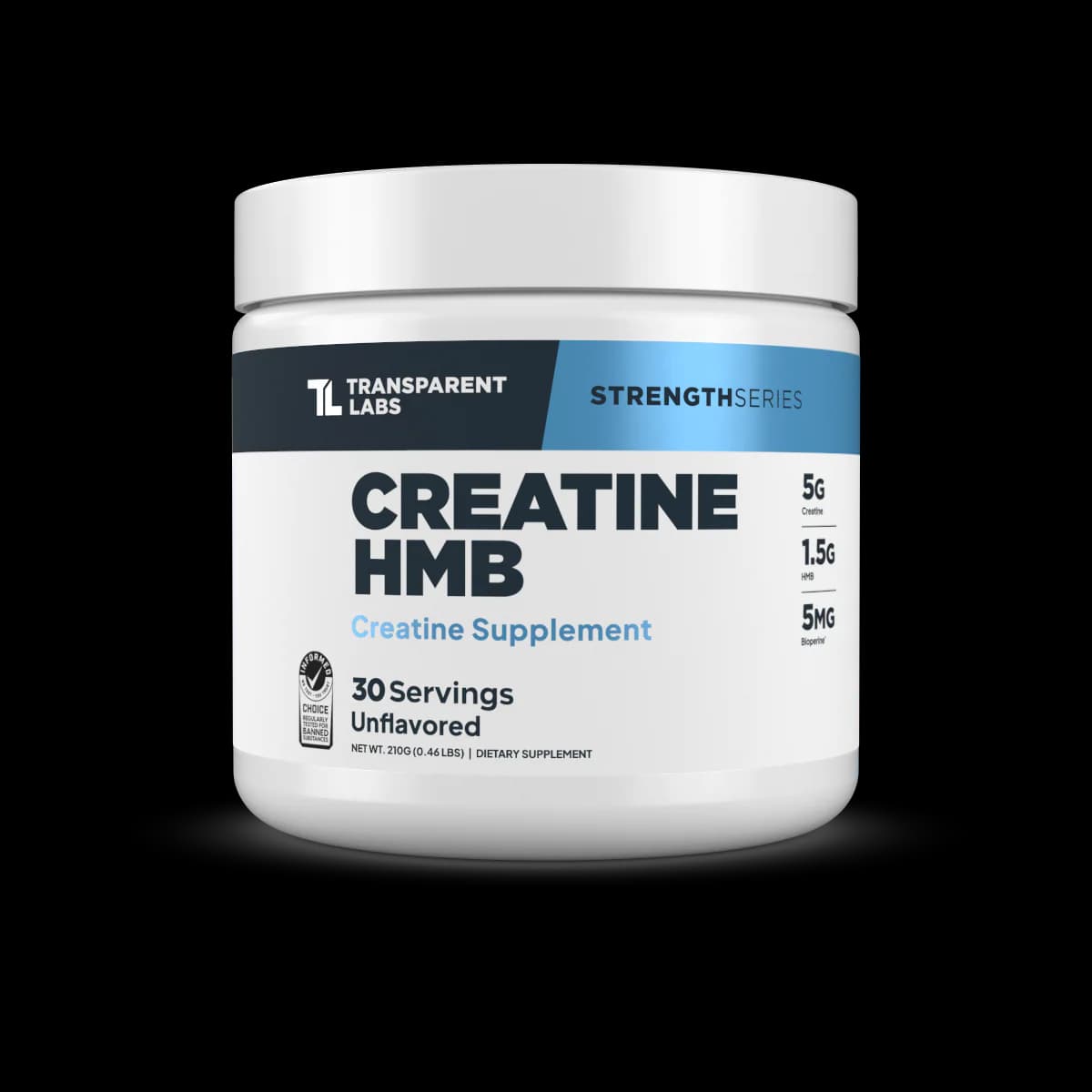
Transparent Labs Creatine HMB is a combination supplement stacking four active ingredients: creatine monohydrate at 5g, HMB (as MyHMB® calcium β-Hydroxy β-Methylbutyrate Monohydrate) at 1.5g, Vitamin D3 at 12.5mcg, and BioPerine at 5mg. The logic: creatine saturates phosphocreatine stores for more ATP output; HMB reduces muscle protein catabolism; D3 supports muscle protein synthesis and immune function; BioPerine enhances absorption of all three.
Transparent Labs launched in 2015 with a label-transparency mandate — every ingredient dose published upfront, no proprietary blends, batch COA available. Creatine HMB is their creatine flagship and has held Informed Sport certification since 2019. Available in eight flavors (Hawaiian Splash, Watermelon, Blue Raspberry, Black Cherry, Orange, Strawberry Lemonade, Tropical Punch) plus Unflavored. Comes in 30-serving and 60-serving tubs.
The product is sold at Vitamin Shoppe, GNC, and Amazon in addition to the direct site. The Informed Sport cert means it has passed the same testing standard that elite sport governing bodies require.
Score Breakdown
FSP composite (8.35) weighted: Formula 35% · Transparency 25% · Verification 20% · Value 12% · Practical 8%. Red flag deductions applied.
Red & Green Flags
Supplement Facts
| Ingredient | Per Serving | Clinical Range |
|---|---|---|
| Creatine Monohydrate | 5,000mg | 3,000–5,000mg |
| HMB (MyHMB® Ca β-HMB Monohydrate) | 1,500mg | 1,500–3,000mg |
| Vitamin D3 (Cholecalciferol) | 12.5mcg | 25–100mcg |
| BioPerine® (Black Pepper 95% Piperine) | 5mg | 5–20mg |
| Calcium (from HMB) | 200mg | — |
Other ingredients: Natural flavors, Citric acid, L-Malic acid, Stevia extract · Serving: 1 scoop · Servings: 30
D3 at 500 IU is below the 2,000–4,000 IU used in deficiency correction studies but is a net positive addition — no sports nutrition product at this price point routinely includes D3. Calcium at 200mg comes from the HMB salt, not added separately.
Ingredient Breakdown
5g monohydrate is the dose used across the majority of 500+ human creatine studies. Replenishes phosphocreatine stores in skeletal muscle, enabling more rapid ATP regeneration during maximal efforts. The output: more reps before failure, faster recovery between sets, measurable lean mass accumulation over months. No other creatine form has equivalent direct evidence.
HMB (MyHMB® Ca β-HMB) — 1,500mg
HMB is a metabolite of leucine produced in small amounts during normal protein metabolism. MyHMB® is the calcium salt used in clinical trials — not generic HMB free acid. At 1.5g, this matches the dose in Wilson et al. (2014), which found 1.5g/day produced significant lean mass and strength gains over 12 weeks. The key caveat: the strongest effects appeared in untrained subjects and those under high catabolism (caloric deficit, illness, detraining). For trained athletes in caloric surplus, the incremental benefit over creatine alone shrinks — Rowlands & Thomson (2009) found equivocal results in trained subjects.
Vitamin D3 (Cholecalciferol) — 12.5mcg (500 IU)
Vitamin D3 receptors are found in muscle, and deficiency correlates with impaired muscle protein synthesis and reduced strength (Ceglia, 2009). At 500 IU this addition is useful as a dietary supplement to the baseline but is not a therapeutic dose for deficiency (which typically requires 1,000–4,000 IU depending on baseline levels). A net positive inclusion — no significant downside at this dose.
BioPerine® — 5mg
95% piperine extract from black pepper. Inhibits intestinal P-glycoprotein and CYP3A4 metabolic enzymes, which reduces first-pass degradation of some nutrients and increases bioavailability. The 5mg dose matches the standard used in studies. Not a spectacle ingredient — a genuine bioavailability enhancer for the active ingredients it travels with.
Testing & Verification
Confirmed
Informed Sport Certified
Confirmed
GMP / FDA-Registered Mfg
Confirmed
Batch COA Published
Confirmed
Banned Substance Tested
Not held
NSF Certified for Sport
Not held
USP Verified
Informed Sport certification is the most rigorous independent standard available for sports supplements — accepted by World Athletics, UK Anti-Doping, and used as the baseline for athlete-safe supplementation. It covers both label accuracy and banned substance testing. NSF Certified for Sport is a parallel standard (not higher, not lower — different certifying body). Transparent Labs holds Informed Sport, not NSF. For most users, Informed Sport alone is more than sufficient.
Claim Audit
How to Take It
Dose
1 scoop (approx. 13–15g with flavoring)
Timing
Any time — with or without food
Rest days
Yes — take every day for saturation
Loading
Not required — 3–4 week saturation
Mix with
Water (8–12 oz). Avoids dairy
HMB timing
Split 0.75g AM + 0.75g PM for best effect
One practical note on HMB timing: research suggests HMB is more effective when split into two doses (0.75g twice daily) rather than taken all at once. Since this product delivers the full 1.5g in a single scoop, splitting between two half-scoops morning and evening would be technically optimal — though many users take the full scoop at once with good results.
vs. Competitors
| Product | Price/serve | Creatine | HMB | Cert | D3 + BioPerine |
|---|---|---|---|---|---|
| TL Creatine HMB | $1.67 | 5g mono | 1.5g MyHMB® | Informed Sport | Yes |
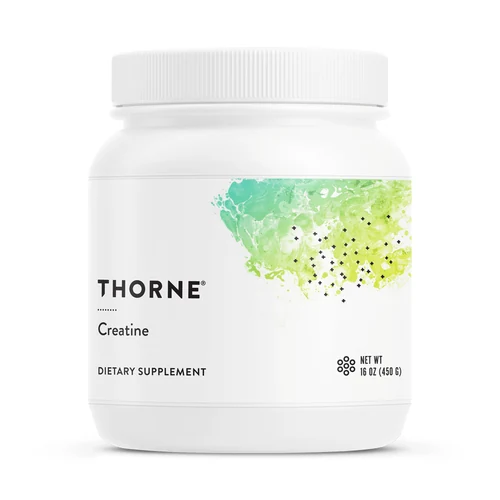
| Thorne Creatine | $0.60 | 5g Creapure | None | NSF Certified | No |
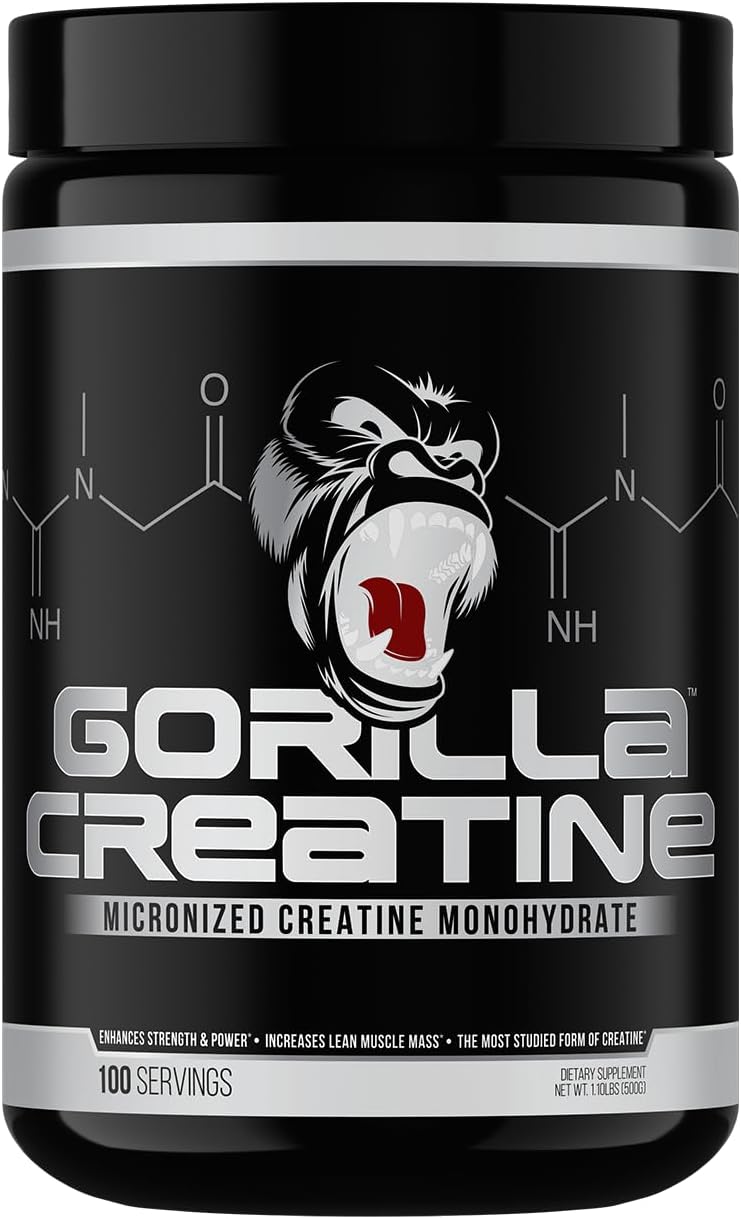
| Gorilla Mind Mono | $0.35 | 5g micro | None | HPLC tested | No |
| NOW Creatine Mono | $0.15 | 5g mono | None | GMP only | No |
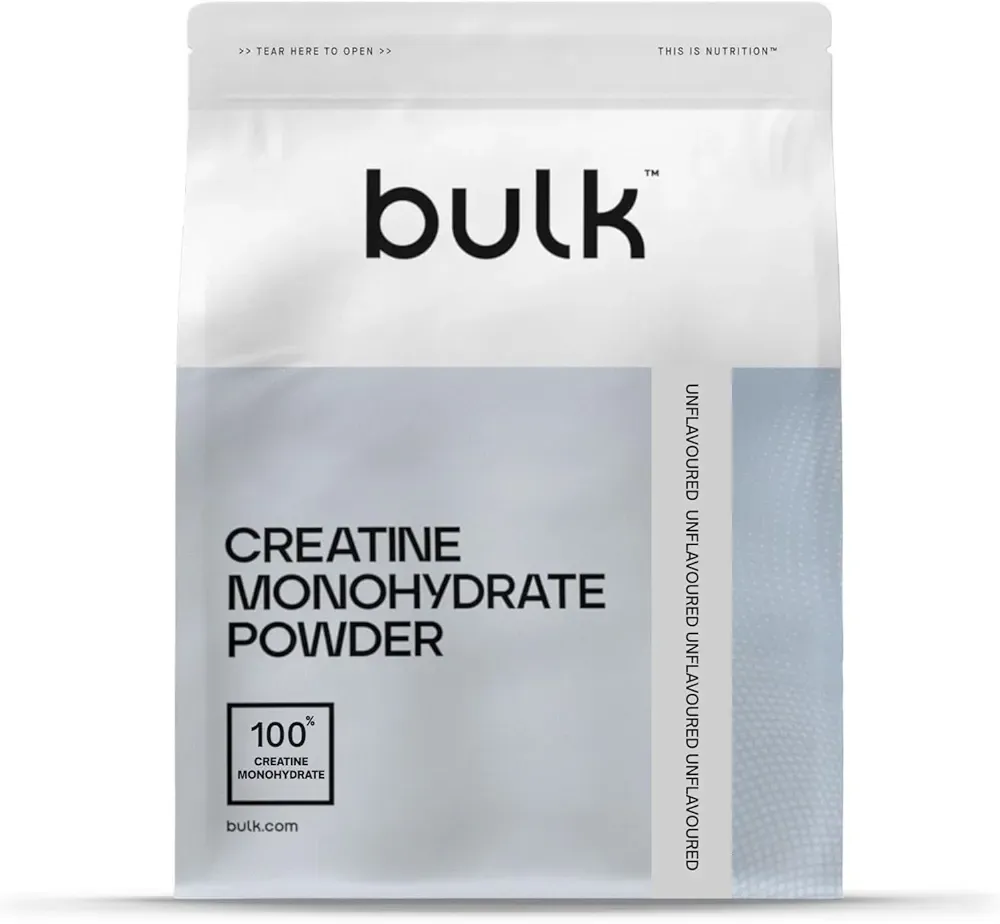
| BulkSupplements HMB | $0.60 | None | 1g free acid | ISO/cGMP | No |
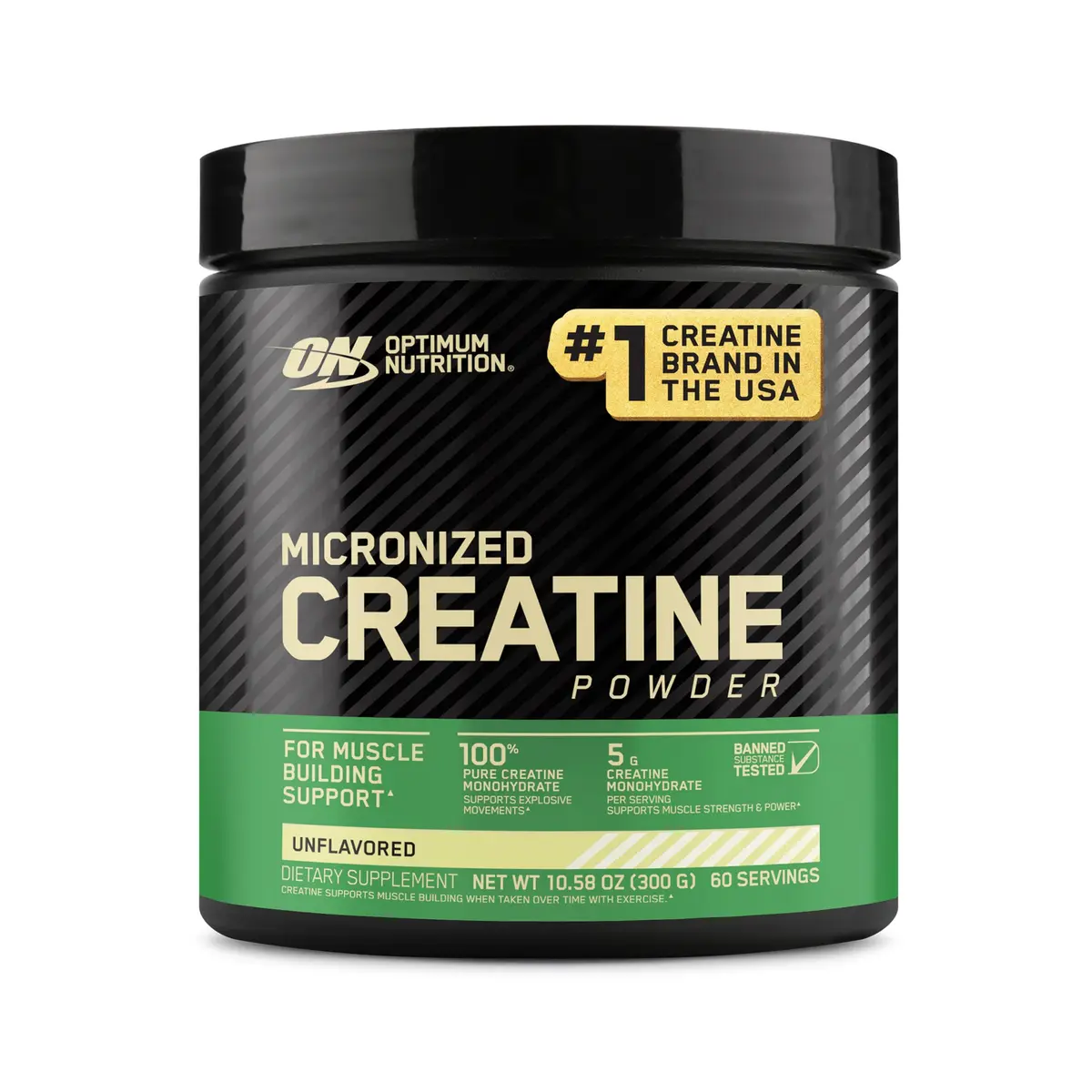
For pure creatine with a certification, Thorne Creapure (NSF) at $0.60/serving is the benchmark. TL Creatine HMB's premium over Thorne is $1.07/serving — for HMB, D3, BioPerine, and a different certifying body (Informed Sport vs NSF). Prices verified May 2026.
Shop Competitors
Products at a Glance
If you want just creatine at the best value, see our Gorilla Mind Micronized review.
Pros & Cons
Strengths
- Informed Sport certified — every batch tested for banned substances and label accuracy
- 5g creatine monohydrate — the correct clinical dose, no debate
- MyHMB® is the patented calcium form used in actual clinical trials — not generic HMB
- Fully disclosed — every active individually labelled with precise amounts
- BioPerine and Vitamin D3 are practical additions, not marketing ingredients
- 8 flavours plus Unflavored — the broadest creatine flavour range reviewed
- No artificial sweeteners, colours, or preservatives
Limitations
- At $1.67/serving, costs 5–10x more than plain creatine monohydrate
- HMB benefit is smaller for trained athletes in caloric surplus — the most common buyer profile
- Vitamin D3 at 500 IU does not replace a dedicated D3 supplement for deficiency correction
- 30 servings per tub means frequent reordering; 60-serving option available at higher upfront cost
Safety & Side Effects
Both creatine monohydrate and HMB have well-established safety records. The ISSN (2017) confirmed 3–5g daily creatine is safe for long-term use in healthy adults. HMB at 1.5–3g/day showed no adverse effects in studies up to 12 weeks (Wilson et al., 2014). BioPerine at 5mg is considered safe across food and supplement applications.
Common and expected
- Mild intramuscular water retention in the first 1–2 weeks — water into muscle cells, not subcutaneous bloating
- Slight scale weight increase during saturation — entirely from muscle water uptake
Who should consult a physician
- People with kidney or liver conditions — creatine metabolism produces creatinine; cleared for healthy individuals but consult if any renal impairment
- Anyone on anticoagulants — BioPerine (piperine) can theoretically interact with warfarin metabolism
- Pregnant or breastfeeding women — creatine is under-studied in pregnancy; consult first
Price & Value
30 servings (one-time)
$49.99
$1.67/serving
60 servings (one-time)
$89.99
$1.50/serving
Subscribe & Save (10%)
$44.99
$1.50/serving
Amazon — 30 servings
$49.99
Same as direct
Where to Buy
Available on Amazon
$49.99 / 30 servings
Prime shipping · Fast delivery · Easy returns. Prices verified May 2026.
FAQ
Final Verdict
FSP · 8/10 · Transparent Labs Creatine HMB
If you need Informed Sport certification — for competitive sport, drug testing, or because you genuinely require that level of verification — this is the creatine to buy. Full stop. The formula is honest, the doses are right, and the cert is real.
The HMB case requires more nuance. If you are in a caloric cut, over 50, returning from a training break, or recovering from an injury, the 1.5g MyHMB® here adds genuine muscle-preservation value on top of creatine. If you are a healthy 25-year-old training hard in a caloric surplus, plain creatine monohydrate at $0.35/serving covers your needs. The formula does not lie to you about this — it is not a universal upgrade, it is a context-specific one.
For pure value: Gorilla Mind Micronized at $0.35/serving. For certified creatine only: Thorne Creapure at $0.60/serving. For creatine + HMB + Informed Sport: this.
Research References
- Wilson JM et al. (2014). The effects of 12 weeks of beta-hydroxy-beta-methylbutyrate free acid supplementation on muscle mass, strength, and power in resistance-trained individuals. Eur J Appl Physiol. 114(6):1217–27. doi →
- Rowlands DS, Thomson JS. (2009). Effects of β-hydroxy-β-methylbutyrate supplementation during resistance training on strength, body composition, and muscle damage in trained and untrained young men. J Strength Cond Res. 23(3):836–46. doi →
- Nissen S et al. (1996). Effect of leucine metabolite beta-hydroxy-beta-methylbutyrate on muscle metabolism during resistance-exercise training. J Appl Physiol. 81(5):2095–104. doi →
- Rawson ES, Volek JS. (2003). Effects of creatine supplementation and resistance training on muscle strength and weightlifting performance. J Strength Cond Res. 17(4):822–31. doi →
- Lanhers C et al. (2017). Creatine supplementation and upper limb strength performance: A systematic review and meta-analysis. Sports Med. 47(1):163–73. doi →
- Ceglia L. (2009). Vitamin D and its role in skeletal muscle. Curr Opin Clin Nutr Metab Care. 12(6):628–33. doi →
- Kreider RB et al. (2017). ISSN position stand: Safety and efficacy of creatine supplementation. J Int Soc Sports Nutr. 14:18. doi →
- Shoba G et al. (1998). Influence of piperine on the pharmacokinetics of curcumin in animals and human volunteers. Planta Med. 64(4):353–6. doi →