VOL. I · 2026 · EVIDENCE-LED SUPPLEMENT RESEARCHUSA & GLOBAL EDITION
Fitlabreviews
All Reviews

Gorilla Mind
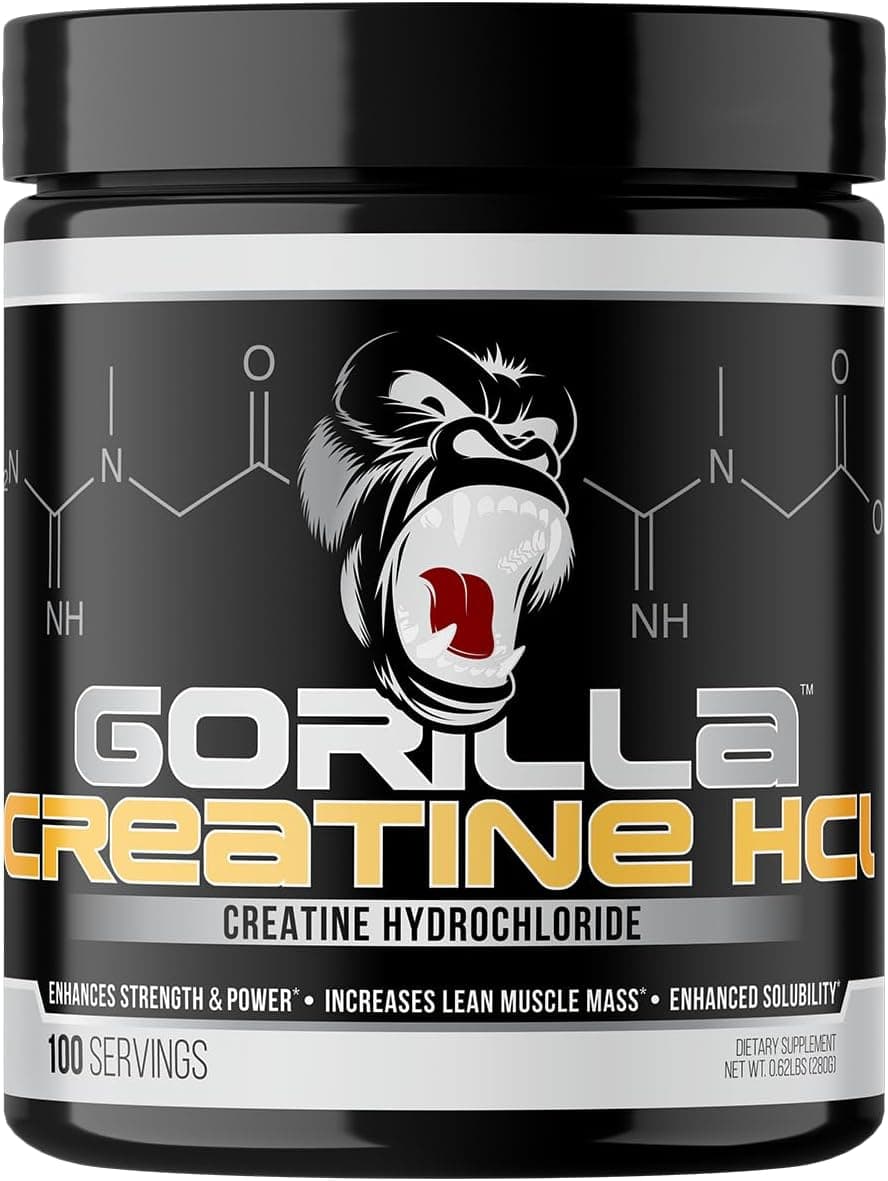
Creatine HCl

CON-CRĒT® creatine hydrochloride with pepsin. 38× more water soluble than monohydrate, clear-dissolving, and genuinely GI-friendly. The honest question: do you actually need HCl, or will monohydrate serve you better?

7/10Very Good
·REV-2026-057·Creatine HCl · CON-CRĒT®·May 30, 2026
F

Fitlab Research Team

Reviewed by the full team · Authors page →

Affiliate disclosure: Amazon links earn a commission. Scores are editorially independent. Read our disclosure →

Quick Verdict

FSP Score · 7/10

Gorilla Mind chose CON-CRĒT® — the best-formulated creatine HCl available — and added pepsin for GI tolerance. If you need creatine HCl, this is the version to buy. The honest caveat: most people don't need creatine HCl. Monohydrate at 5g has 500+ RCTs behind it, costs $0.15–0.35/serving, and the majority of users experience zero GI issues at maintenance doses. This product earns its score for what it is — not for being a universal upgrade over monohydrate.

formula

7.0/10

transparency

9.0/10

verification

7.0/10

value

7.5/10

practical

9.0/10

HPLC Tested · CON-CRĒT®
Gorilla Mind Creatine HCl

Gorilla Mind

Creatine HCl

7/10

FSP Score

2.5g

Per Scoop

100

Scoops

Price / 100 scoops

$39.99

Buy on Amazon

What Is Creatine HCl?

Creatine hydrochloride is creatine bonded to a hydrochloride group. The result is a dramatically more water-soluble compound — around 38 times more soluble than creatine monohydrate. This means it dissolves completely in a small amount of liquid, which eliminates the partially-dissolved creatine sitting in the GI tract that causes bloating and discomfort in sensitive users.

Gorilla Mind's Creatine HCl uses CON-CRĒT® — the patented HCl form developed by Vireo Systems, which has its own clinical study dossier separate from generic creatine HCl. Each scoop delivers 2.5g of CON-CRĒT® plus pepsin, a gastric enzyme that further assists GI tolerance. The product is unflavored, HPLC-tested, and available in 100-scoop tubs.

The core debate in creatine HCl is dose. Monohydrate's standard clinical dose is 5g/day. HCl proponents argue that the superior absorption means 2.5g achieves equivalent intramuscular saturation. This claim has some clinical backing from CON-CRĒT® studies but lacks large independent head-to-head comparisons. We'll address this in the ingredient breakdown.

Score Breakdown

Fitlab Scoring Protocol · FSP v2.1

Score Breakdown

REV-2026-057
01Formula Integrity35% weight
7.0/10

CON-CRĒT® is a patented creatine HCl form (creatine bonded to hydrochloric acid) with its own clinical studies backing. HCl is approximately 38 times more water soluble than monohydrate — meaning it dissolves completely in a small liquid volume, which reduces GI transit issues. The dose debate: Proponents argue 2.5g HCl is equivalent to 5g monohydrate due to superior absorption efficiency. The direct head-to-head evidence is limited — most studies used monohydrate. Pepsin addition is smart: a protease that helps break down protein in the GI environment, potentially improving tolerance for sensitive users.

02Label Transparency25% weight
9.0/10

Two ingredients disclosed: CON-CRĒT® Creatine HCl (2.5g) and Pepsin (amount not specified on label — this is the one gap). Unflavored — no hidden excipients or sweeteners. Serving size is clearly stated as 2.5g per scoop, but the implication that this equals 5g monohydrate is discussed in marketing rather than on the label itself.

03Third-Party Verification20% weight
7.0/10

HPLC third-party tested for purity and identity. No NSF, Informed Sport, or BSCG certification. HPLC testing confirms the creatine HCl is what it claims to be at the stated dose — it does not test for the full range of banned substances that Informed Sport does. Sufficient for general users; not sufficient for drug-tested athletes.

04Value Efficiency12% weight
7.5/10

At $39.99 for 100 scoops × 2.5g = 250g total creatine HCl. If 2 scoops (5g HCl) is the effective daily dose, that is 50 days supply at $0.80/serving. If the 2.5g dose is genuinely equivalent to 5g monohydrate (as claimed), that drops the effective cost to $0.40/serving. The value depends on which dose claim you accept. Compared to monohydrate at $0.15–0.35/serving, it's still a premium — but less than many specialty creatine products.

05Practical Quality8% weight
9.0/10

Unflavored and completely clear when dissolved — no cloudiness, no grit. The high water solubility means it mixes in 2–3 oz of liquid and disappears. Can be added to any beverage including coffee, juice, or water without affecting taste or texture. No clumping. 100 scoops per tub is generous. The pepsin inclusion means GI-sensitive users have an additional tolerance buffer.

Weighted total7.72
Red flag deductions0.4

FSP Composite Score

Rounds to editorial score below

7.3/10

FSP composite (7.32) weighted: Formula 35% · Transparency 25% · Verification 20% · Value 12% · Practical 8%.

Red & Green Flags

Red Flags — Trust Reducers (3)

No Informed Sport / NSF certification

HPLC testing does not cover the full banned substance panel that Informed Sport or NSF require. Not suitable for drug-tested competitive athletes without further verification.

0.2 pts

Limited direct RCTs vs monohydrate

The dose equivalency claim (2.5g HCl = 5g monohydrate) lacks large independent head-to-head RCTs. Most creatine evidence uses monohydrate specifically. CON-CRĒT® has its own studies but fewer than monohydrate.

0.1 pts

Pepsin dose not disclosed

The pepsin amount per serving is not stated on the label. Cannot assess whether it's a functional or token dose.

0.1 pts
Green Flags — Trust Builders (4)

CON-CRĒT® patented HCl form

Not generic creatine HCl — the specific patented form with its own clinical dossier. 38x more water soluble than monohydrate, higher GI tolerance.

Pepsin for GI tolerance

Digestive enzyme that assists protein breakdown in the gut. Reduces any residual GI discomfort from creatine HCl, particularly relevant for users who experience issues with monohydrate.

Completely unflavored and clear-dissolving

Mixes into virtually any liquid without altering taste, colour, or texture. One of the cleanest-mixing creatine products on the market.

HPLC identity and purity tested

Third-party high-performance liquid chromatography testing confirms the creatine HCl content and absence of common contaminants.

Supplement Facts

IngredientPer Scoop (2.5g)Equiv. Mono Dose
CON-CRĒT® Creatine HCl2,500mg~3,750–5,000mg mono
PepsinUndisclosed

Other ingredients: None listed — unflavored · Serving: 1 scoop (2.5g) · Servings per tub: 100

The monohydrate equivalent column is an estimate based on absorption efficiency rationale, not a guaranteed equivalency. If you want certainty, take 2 scoops (5g HCl) to match the established monohydrate clinical dose.

Ingredient Breakdown

CON-CRĒT® Creatine HCl — 2.5g

Moderate EvidencePatented form, limited head-to-head data

Creatine HCl's solubility advantage is a physical fact. The question is whether 2.5g of HCl achieves the same intramuscular creatine saturation as 5g monohydrate. The theoretical basis: HCl is more completely absorbed, meaning less goes to waste. CON-CRĒT® studies (including work by Spillane et al., 2009 in JISSN) found performance benefits at low doses. Criticism: these studies are underpowered relative to monohydrate's evidence base, and most creatine researchers still recommend confirming saturation with 5g regardless of form. Our recommendation: take 2 scoops (5g HCl) if you want to match established evidence, or 1 scoop (2.5g) if you specifically follow the CON-CRĒT® protocol and accept the smaller evidence base.

Pepsin — dose undisclosed

Limited EvidenceSmart addition, dose unknown

Pepsin is an endogenous gastric protease that breaks down proteins. Its inclusion is intended to reduce any residual GI discomfort from the creatine compound in the gut. The mechanism is sound — pepsin has documented effects on protein digestion tolerance. The omission of the dose from the label is a transparency gap; without knowing the amount, it is impossible to assess whether it's a functional or token inclusion.

HCl vs Monohydrate — the honest scorecard

Monohydrate wins on: evidence volume (500+ RCTs), cost ($0.15–0.35/serving), established loading protocols, and independent certification options. HCl wins on: water solubility (38×), GI tolerance in sensitive users, mixing versatility (clear in any liquid), and smaller serving size for those who want minimal intake. Neither is "better" for a well-tolerating user — monohydrate is simply more proven and cheaper. HCl is the right choice for a specific, real problem.

Testing & Verification

Confirmed

HPLC Purity Testing

Confirmed

CON-CRĒT® Patented Form

Confirmed

cGMP Manufacturing

Not held

Informed Sport Cert

Not held

NSF Certified for Sport

Partial

Banned Substance Screened

HPLC testing establishes creatine HCl identity and purity — it is a meaningful quality step. It does not cover the full banned substance panel. For competitive athletes in drug-tested sport, Informed Sport or NSF certification is required — this product does not have either.

Claim Audit

Marketing Claim Audit

4× supported2× context-dependent
Marketing ClaimOur VerdictEvidence

"38x More Soluble Than Creatine Monohydrate"

Creatine HCl solubility data is well-documented. The hydrochloride salt form dramatically increases aqueous solubility compared to the free base. This is a physical chemistry fact, not a marketing claim. The 38x figure is consistent with published solubility measurements.

Research-Supported
Strong Evidence

"GI-Friendly Alternative to Monohydrate"

Higher solubility means faster and more complete dissolution in the stomach, reducing the undissolved creatine that causes GI discomfort in sensitive users. The addition of pepsin further supports GI tolerance. The mechanism is sound; individual response will vary.

Research-Supported
Moderate Evidence

"Effective at a Smaller Dose"

CON-CRĒT® has its own clinical studies suggesting efficacy at 2.5g. The absorption efficiency advantage of HCl could theoretically require less total creatine to achieve the same intramuscular saturation. However, direct large-scale head-to-head comparisons against monohydrate at equivalent doses are lacking. The claim is plausible but not conclusively established.

Context-Dependent
Limited Evidence

"Improved Muscle Size, Power Output and Strength"

Creatine supplementation in any effective form produces these outcomes — this is the most replicated finding in sports nutrition. The creatine HCl specifically shows these benefits in CON-CRĒT® studies. The claim is accurate for creatine as a class.

Research-Supported
Strong Evidence

"No Bloating or Water Retention"

Creatine-induced intramuscular water retention (water drawn into muscle cells) occurs with both HCl and monohydrate — it is a mechanism of action, not a side effect. GI bloating from undissolved creatine is reduced with HCl. So: true for GI bloating, not applicable for the muscle water retention that is part of how creatine works.

Context-Dependent
Moderate Evidence

"HPLC Tested"

Gorilla Mind confirms HPLC third-party testing. High-performance liquid chromatography is an appropriate method for creatine identity and purity testing. The claim is straightforward and accurate.

Research-Supported
Strong Evidence

Claims are audited against published peer-reviewed literature as of the review date. How we audit claims →

How to Take It

Standard dose

1 scoop (2.5g) daily per brand protocol

Conservative

2 scoops (5g) to match monohydrate evidence

Mix with

Any liquid — dissolves completely and clearly

Timing

Any time — pre, intra, or post workout

Rest days

Yes — daily use for phosphocreatine saturation

Loading

Not required or recommended

The practical standout here is versatility. Because it dissolves completely and leaves the liquid clear, you can add this to morning coffee, a smoothie, or plain water without noticing it. This is genuinely useful for people who want creatine in their routine without a dedicated shake.

vs. Competitors

ProductFormDosePrice/serveCertGI-friendly
Gorilla Mind HClCON-CRĒT® HCl2.5g (5g opt.)$0.80HPLC onlyBest in class
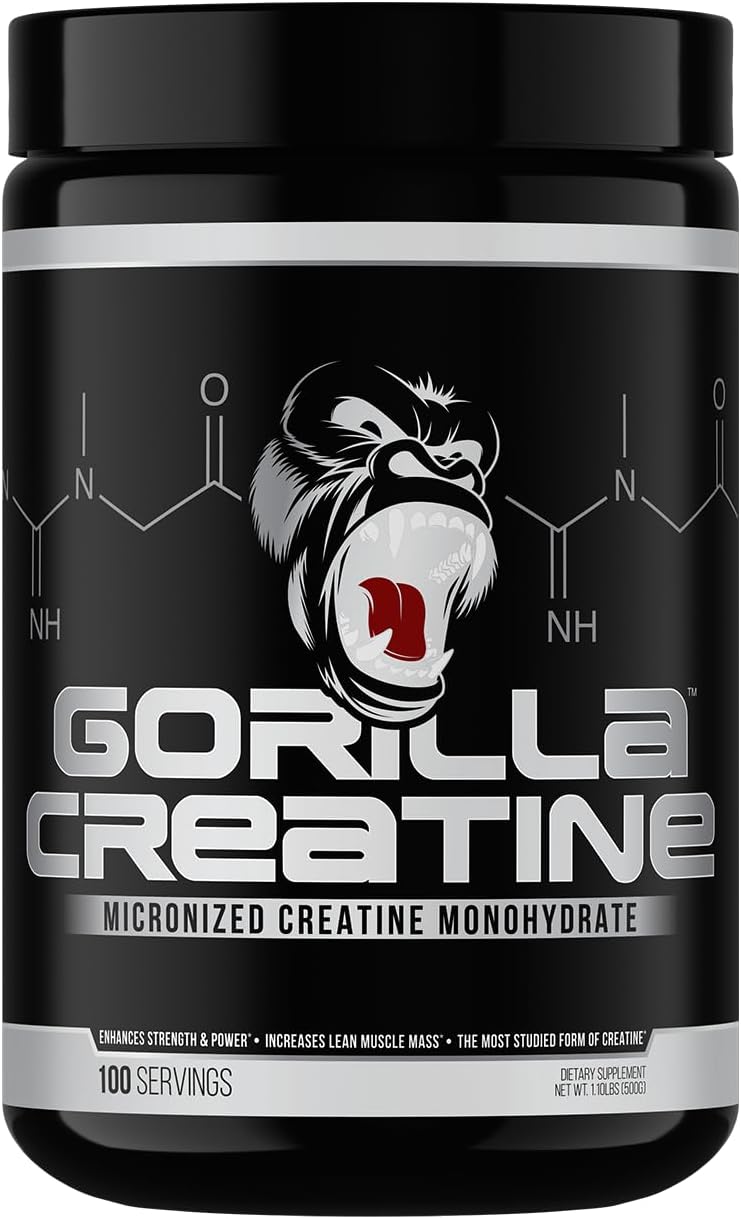
Gorilla Mind MonoMicronized5g$0.35HPLC onlyGood
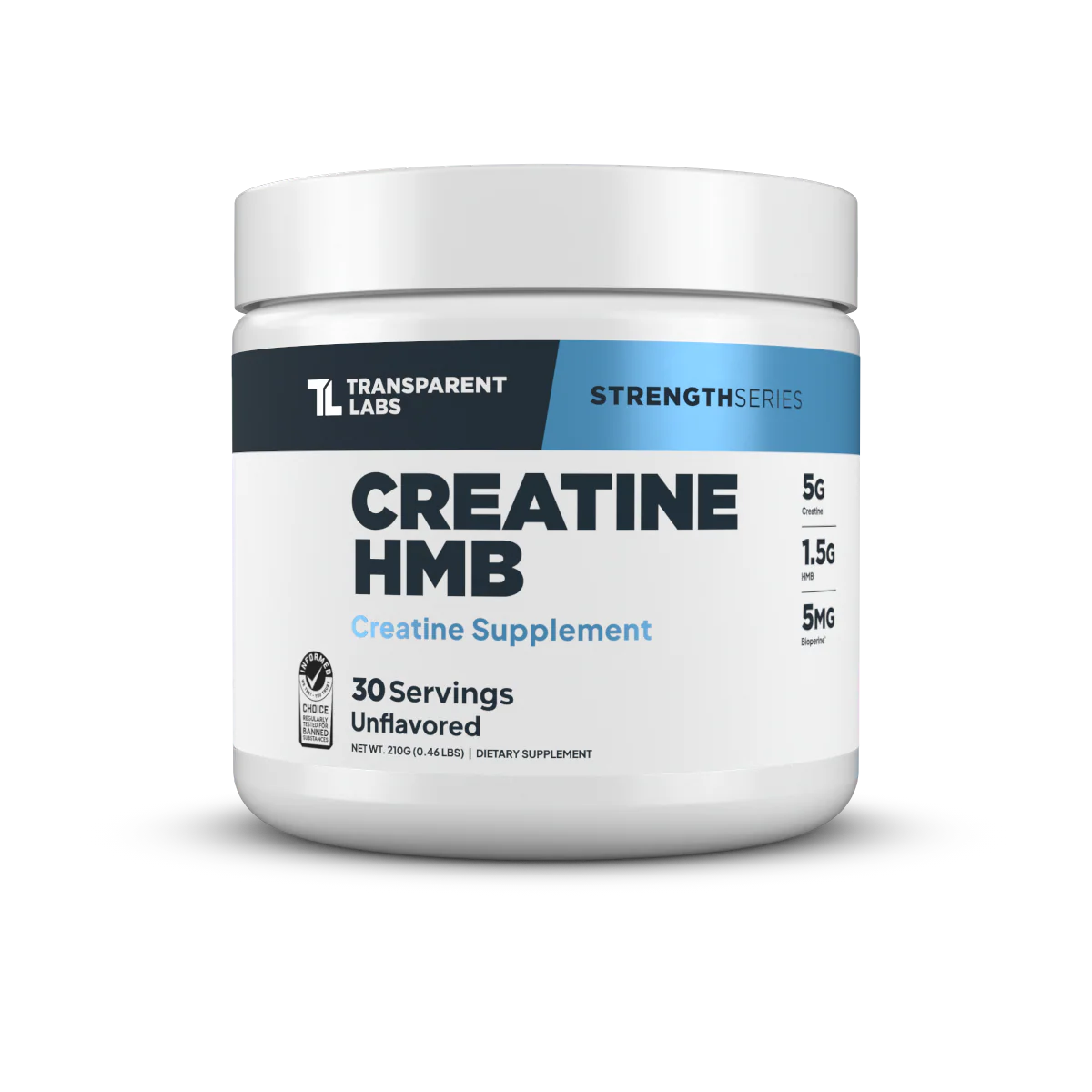
TL Creatine HMBMonohydrate5g$1.67Informed SportGood
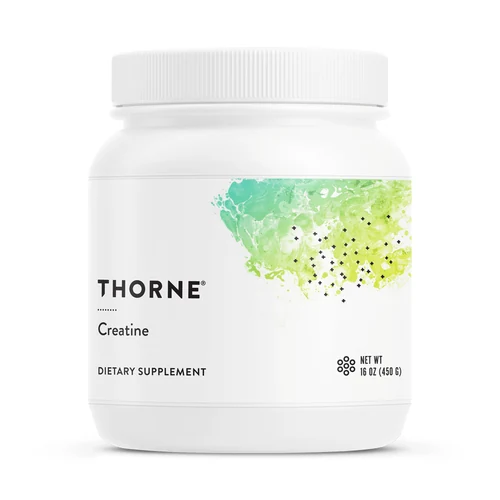
Thorne CreatineCreapure®5g$0.60NSF CertifiedGood
NOW Creatine MonoMonohydrate5g$0.15GMP onlyVariable

Prices verified May 2026.

Shop Competitors
Gorilla Mind Micronized

Gorilla Mind Micronized

HPLC Tested

$0.35/serve

TL Creatine HMB

TL Creatine HMB

Informed Sport

$1.67/serve

Thorne Creatine Creapure

Thorne Creatine Creapure

NSF Certified

$0.60/serve

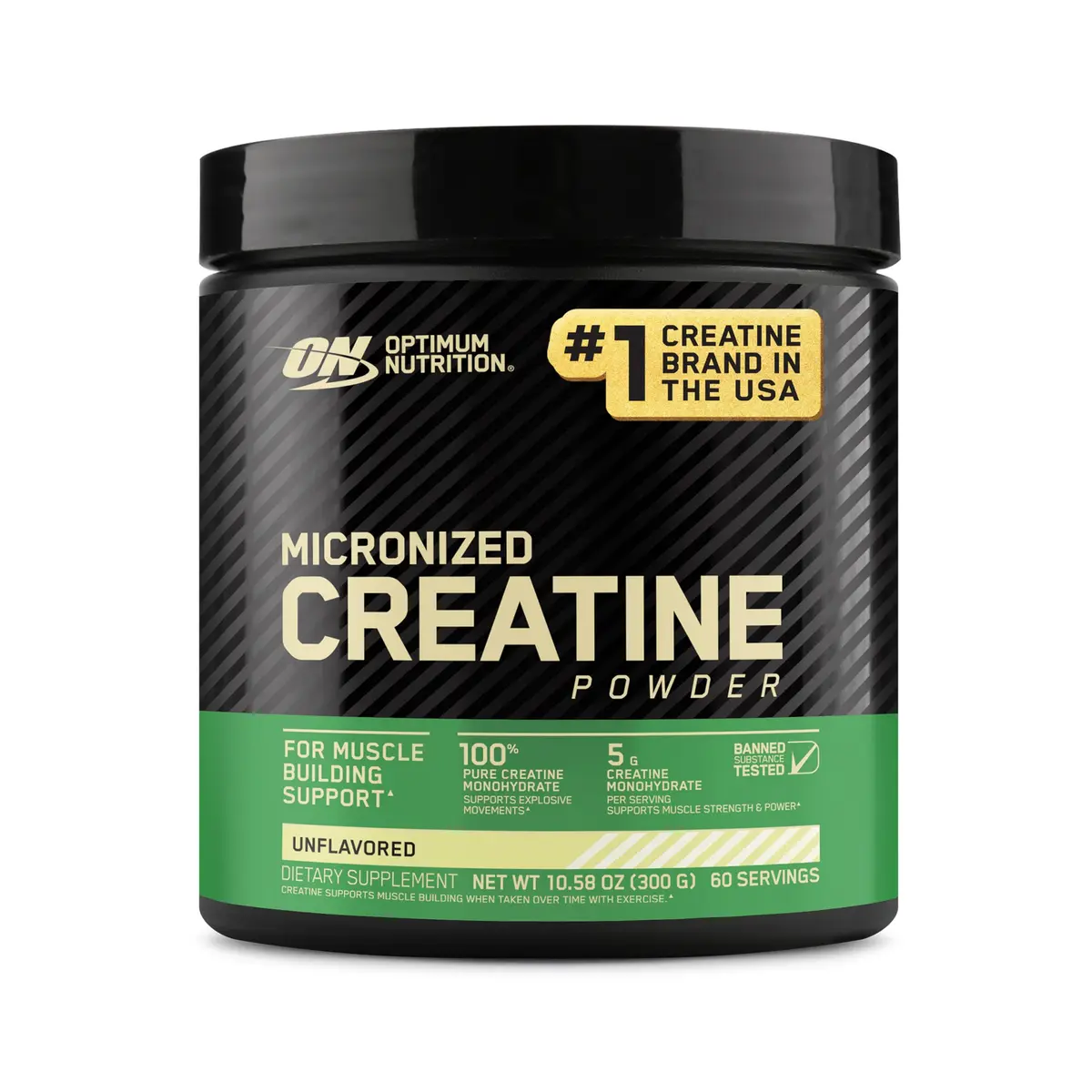
ON Micronized Creatine

ON Micronized Creatine

GMP Certified

$0.20/serve

Products at a Glance

For the monohydrate version from the same brand, see our Gorilla Mind Micronized review.

Reviewed
Creatine HCl by Gorilla Mind
7
Creatine

Gorilla Mind

Creatine HCl

CON-CRĒT®PepsinUnflavoredHPLC Tested
$39.99 / 100 scoopsN/A

Pros & Cons

Strengths

  • CON-CRĒT® is the best-researched patented HCl form — not generic bulk HCl
  • 38× more water soluble than monohydrate — dissolves completely in minimal liquid
  • Pepsin addition reduces GI discomfort for sensitive users
  • Completely unflavored and colour-neutral — mixes invisibly into any drink
  • 100 scoops per tub — generous supply at a competitive per-scoop price
  • HPLC purity tested — identity and contaminant-free verification

Limitations

  • No Informed Sport or NSF certification — not suitable for drug-tested athletes
  • Pepsin dose not disclosed — cannot verify if it's functional
  • Dose equivalency claim (2.5g HCl = 5g mono) has limited head-to-head evidence
  • At $0.80/full dose (2 scoops), costs more than monohydrate without a certification advantage
  • Only available unflavored — no flavoured options for those who prefer them

Safety & Side Effects

Creatine HCl at the doses in this product is well-tolerated. The ISSN (2017) concluded creatine supplementation is safe for long-term use in healthy adults regardless of form. Pepsin at typical supplement doses has no documented adverse effects.

Expected with any creatine

  • Intramuscular water retention — water drawn into muscle cells, part of the mechanism of action. Scale weight may increase 0.5–1.5kg in the first 2 weeks.
  • Mild GI adjustment — less likely with HCl than monohydrate due to superior solubility

Consult a physician if

  • You have kidney or liver disease — creatine metabolism produces creatinine, a kidney marker. Cleared for healthy kidneys.
  • You are pregnant or breastfeeding — insufficient safety data for this population

Price & Value

Value Efficiency AnalysisBelow Average

Price / Serving

0.8

creatine HCl / serving

5g

₹ per gram active

0.2

Category Avg

0.1

0.2/g vs category average of 0.1/g — 167% more expensive per gram of creatine HCl.

100 scoops (one-time)

$39.99

$0.40 at 1 scoop / $0.80 at 2

Amazon listing

$39.99

Same as direct

Subscribe & Save

~$35.99

$0.36–$0.72/serving

Where to Buy

Available on Amazon

$39.99 / 100 scoops

Prime shipping · Fast delivery · Easy returns. Prices verified May 2026.

Buy on Amazon

FAQ

Is creatine HCl better than creatine monohydrate?

Not categorically — but it is better for specific situations. Creatine monohydrate has 500+ human RCTs behind it at 5g/day. HCl has fewer independent studies but has one proven advantage: it is 38x more water soluble, meaning it dissolves completely in the stomach, reducing GI discomfort that some users experience with monohydrate. If you tolerate monohydrate fine, there is no compelling evidence to switch. If you experience bloating, nausea, or GI upset with monohydrate, HCl is worth trying.

Why is the serving size only 2.5g when creatine monohydrate is dosed at 5g?

Creatine HCl proponents argue that the superior absorption efficiency of the hydrochloride form means less is needed to achieve equivalent intramuscular creatine saturation. CON-CRĒT® clinical studies used 2.5g and showed performance benefits. However, head-to-head comparisons with 5g monohydrate are limited. If you want to match the established clinical dose in monohydrate terms, taking 2 scoops (5g HCl) removes the guesswork — you still get 100 servings of 2.5g or 50 full 5g doses.

What does pepsin do in Gorilla Mind Creatine HCl?

Pepsin is a protease enzyme naturally present in gastric fluid. Its inclusion here serves GI tolerance — it assists in breaking down proteins in the stomach environment, which reduces residual GI discomfort from the creatine compound. Think of it as an additional buffer for sensitive digestive systems on top of the inherently better solubility of the HCl form.

Does Gorilla Mind Creatine HCl need a loading phase?

No. The brand recommends 2.5g daily without a loading phase. If you want faster saturation, 5g (two scoops) daily for the first week is a reasonable protocol, then drop to 2.5g maintenance. The higher solubility of HCl may slightly accelerate uptake compared to monohydrate at equivalent doses, but the same 3–4 week saturation timeline applies at maintenance.

Who should choose creatine HCl over monohydrate?

The specific use cases where HCl has a real advantage: (1) People who experience bloating, stomach cramps, or loose stools with creatine monohydrate. (2) People who want to add creatine to a very small liquid volume (coffee, 2oz water) where monohydrate would not fully dissolve. (3) People who want a completely unflavored, taste-neutral creatine that can go in anything. If none of these apply to you, monohydrate at $0.15–0.35/serving is the better financial choice.

Does creatine HCl cause the same water retention as monohydrate?

Intramuscular water retention — water drawn into muscle cells — is part of how creatine works and occurs with both forms. This is a mechanism of action, not a side effect. What HCl reduces is GI bloating from undissolved creatine sitting in the gut. If you experience visible scale weight increase from creatine, that reflects intramuscular water retention and will happen with HCl too — this is normal and desirable.

Is Gorilla Mind Creatine HCl safe for drug-tested athletes?

Gorilla Mind uses HPLC testing for purity and identity, but does not hold Informed Sport, NSF Certified for Sport, or BSCG certification. HPLC testing does not screen the full panel of banned substances that those certifications require. Drug-tested athletes competing under WADA, USADA, or national governing body rules should use a product with Informed Sport or NSF certification — such as Transparent Labs Creatine HMB or Thorne Creatine.

Is CON-CRĒT® creatine the same as generic creatine HCl?

CON-CRĒT® is a patented creatine HCl form developed by Vireo Systems. It has its own clinical studies and a standardised manufacturing process. Generic creatine HCl from bulk suppliers may have the same chemical structure but without the same clinical backing, quality controls, or solubility guarantees. Gorilla Mind sources CON-CRĒT® specifically — this is a relevant distinction for quality assurance.

Final Verdict

FSP · 7/10 · Gorilla Mind Creatine HCl

Gorilla Mind built the right product: best-in-class patented HCl form, pepsin for GI tolerance, clean unflavored formulation. If creatine HCl is what you need, this is what you should buy.

Whether you need HCl is the real question. The majority of people who use creatine monohydrate at 5g daily experience zero GI issues. The mixing advantage is real but niche. The dose equivalency claim is plausible but underproven. The absence of Informed Sport certification keeps it out of reach for drug-tested athletes.

For GI-sensitive users who can't tolerate monohydrate: this is the answer. For everyone else: Gorilla Mind Micronized at $0.35/serving covers your needs.

7/10Very Good
Buy on Amazon

$39.99 · 100 scoops

Research References

  1. Spillane M et al. (2009). The effects of creatine ethyl ester and creatine monohydrate supplementation on muscle creatine and phosphocreatine. JISSN. 6:6. doi →
  2. Rawson ES, Volek JS. (2003). Effects of creatine supplementation and resistance training on muscle strength. J Strength Cond Res. 17(4):822–31. doi →
  3. Kreider RB et al. (2017). ISSN position stand: Safety and efficacy of creatine supplementation. JISSN. 14:18. doi →
  4. Antonio J et al. (2021). Common questions and misconceptions about creatine supplementation. JISSN. 18:13. doi →
  5. Lanhers C et al. (2017). Creatine supplementation and upper limb strength performance: A systematic review. Sports Med. 47(1):163–73. doi →

Related Reviews

You might also read

All reviews →
C
FIG. 58Creatine
8/10

Gorilla Mind

Gorilla Mind Creatine Micronized

100 servings of pure 5g micronized creatine at $0.35/serving — the value benchmark in the category.

May 2026Read
C
FIG. 56Creatine
8/10

Transparent Labs

TL Creatine HMB

5g creatine + 1.5g MyHMB® + Informed Sport cert. The premium stack for caloric-deficit training.

May 2026Read