Roundup · 2026Evidence-Led Rankings
Best Beef Organ Supplements for WomenIron, Folate, B12 & Female-Specific Formulas — 2026 Rankings
Women have different micronutrient priorities than the general population: higher iron requirements (18mg vs 8mg RDA for premenopausal women), greater folate needs during reproductive years, and higher rates of thyroid disorders requiring selenium support. Organ supplements can meaningfully address these gaps — but the right formula depends on your specific goals and health status.
This guide covers the five best beef organ supplements for women in 2026, ranked by heme iron density, retinol safety profile, third-party testing, and female-relevant nutrient composition. All products were evaluated using the Fitlab Scoring Protocol (FSP).
Safety note: Pregnancy
Beef liver contains high levels of preformed vitamin A (retinol). Excess retinol in the first trimester is associated with teratogenic risk. Pregnant women and those actively trying to conceive should not use liver-containing supplements without explicit physician guidance. This applies to all products in this roundup.
Best Overall
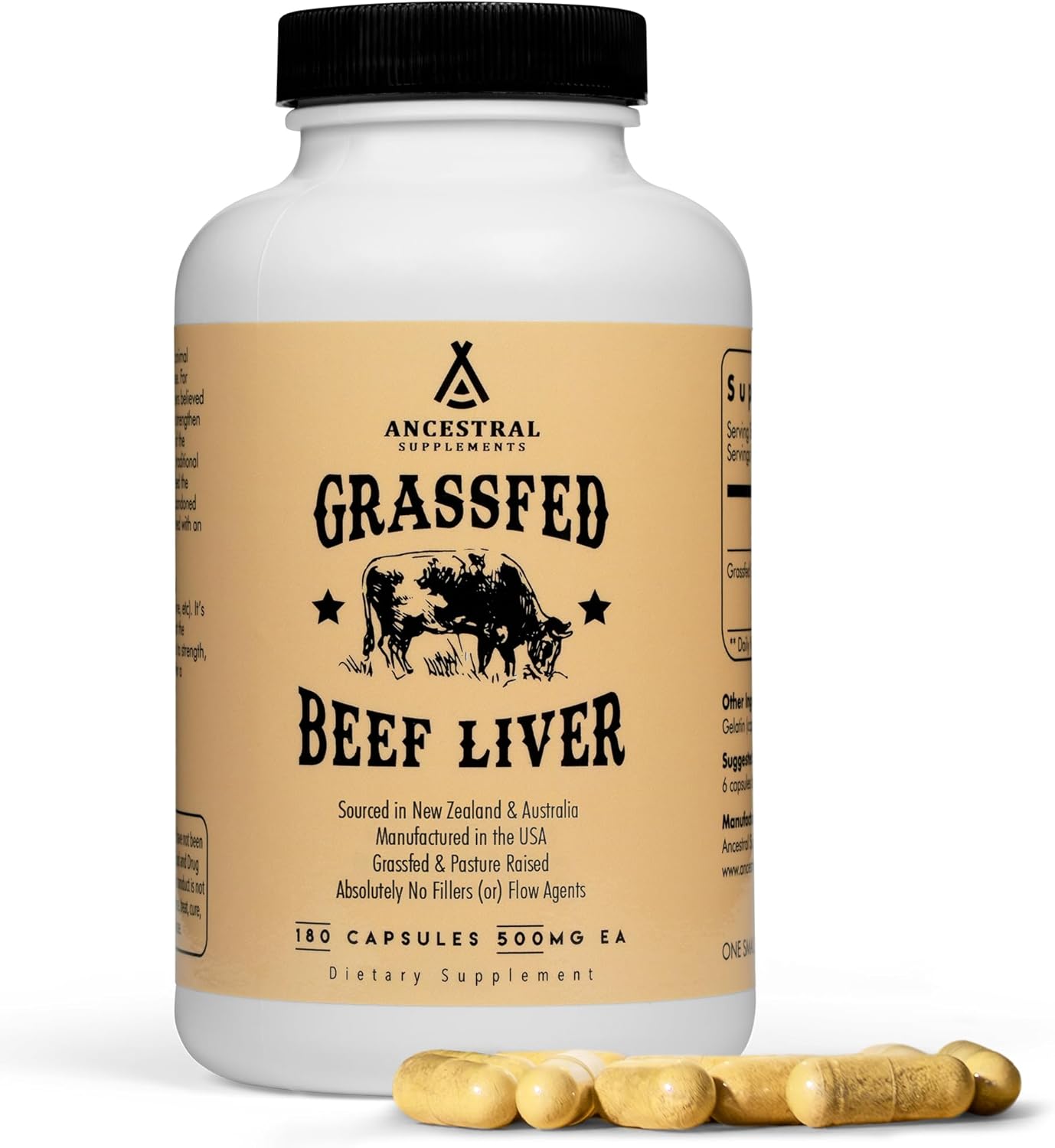
Ancestral Liver
9/10 · NZ sourced
Best for Athletes
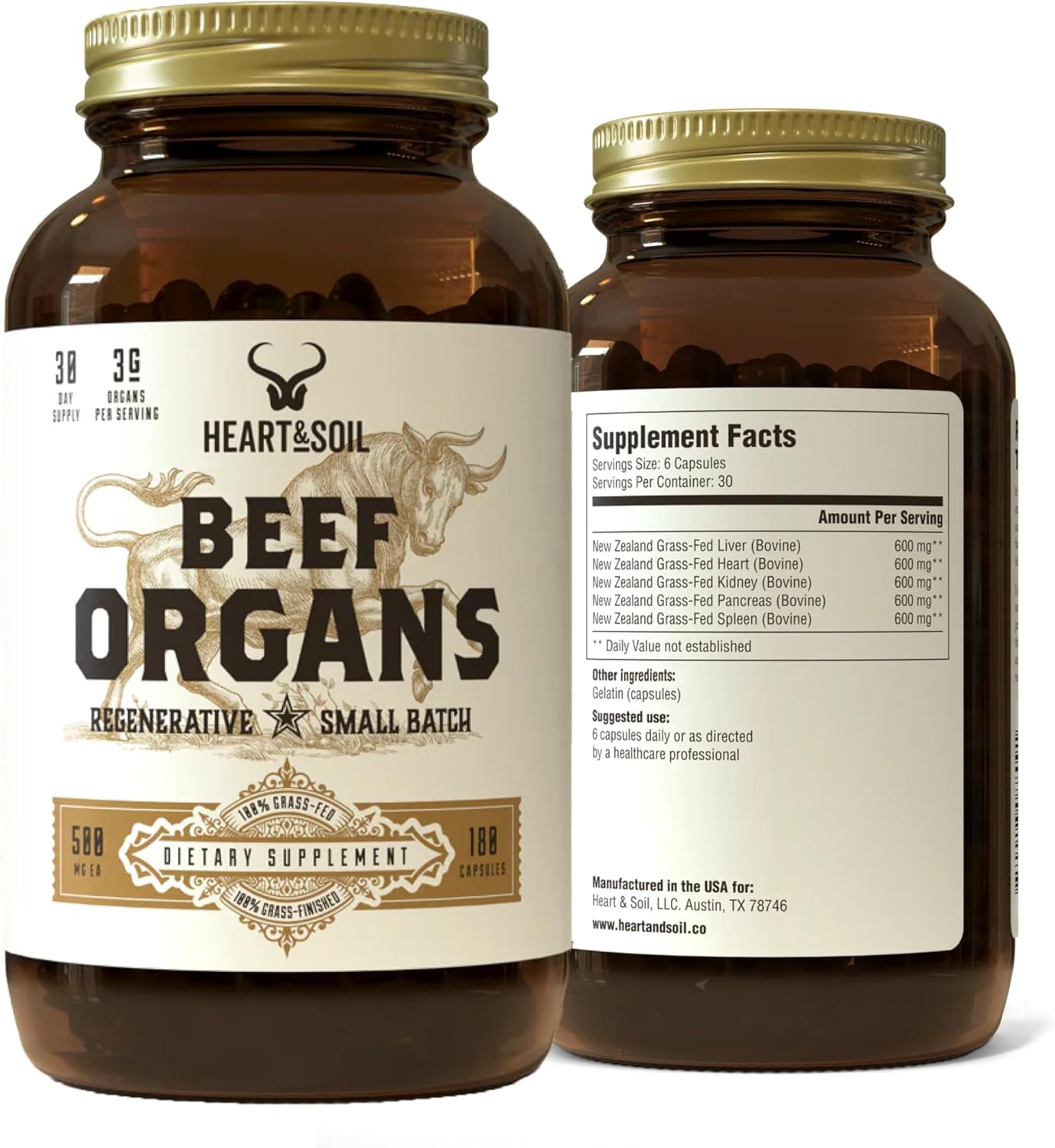
Heart & Soil
9/10 · Informed Sport
Best Value
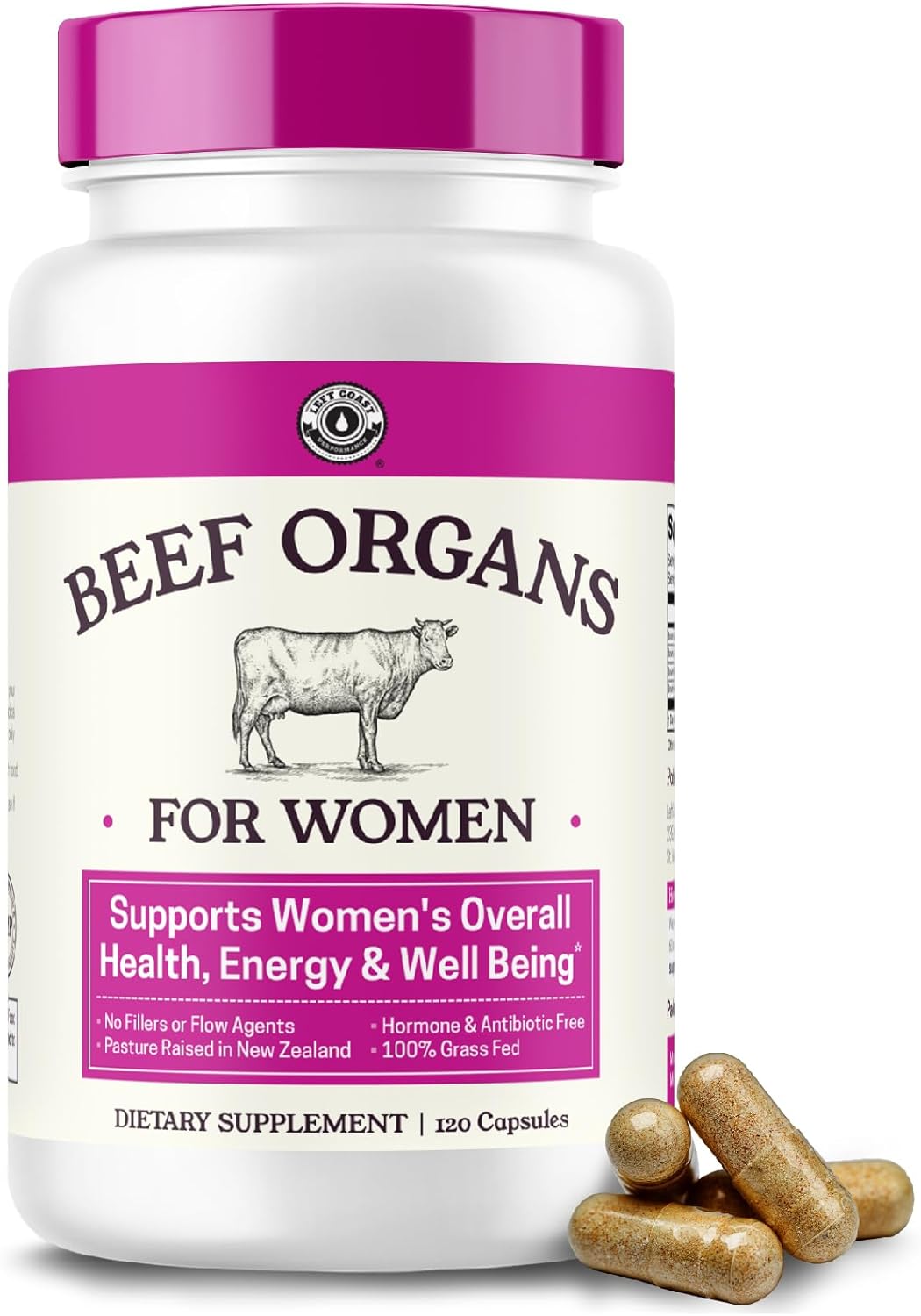
Left Coast
8/10 · $0.39/serving
Best Iron Focus
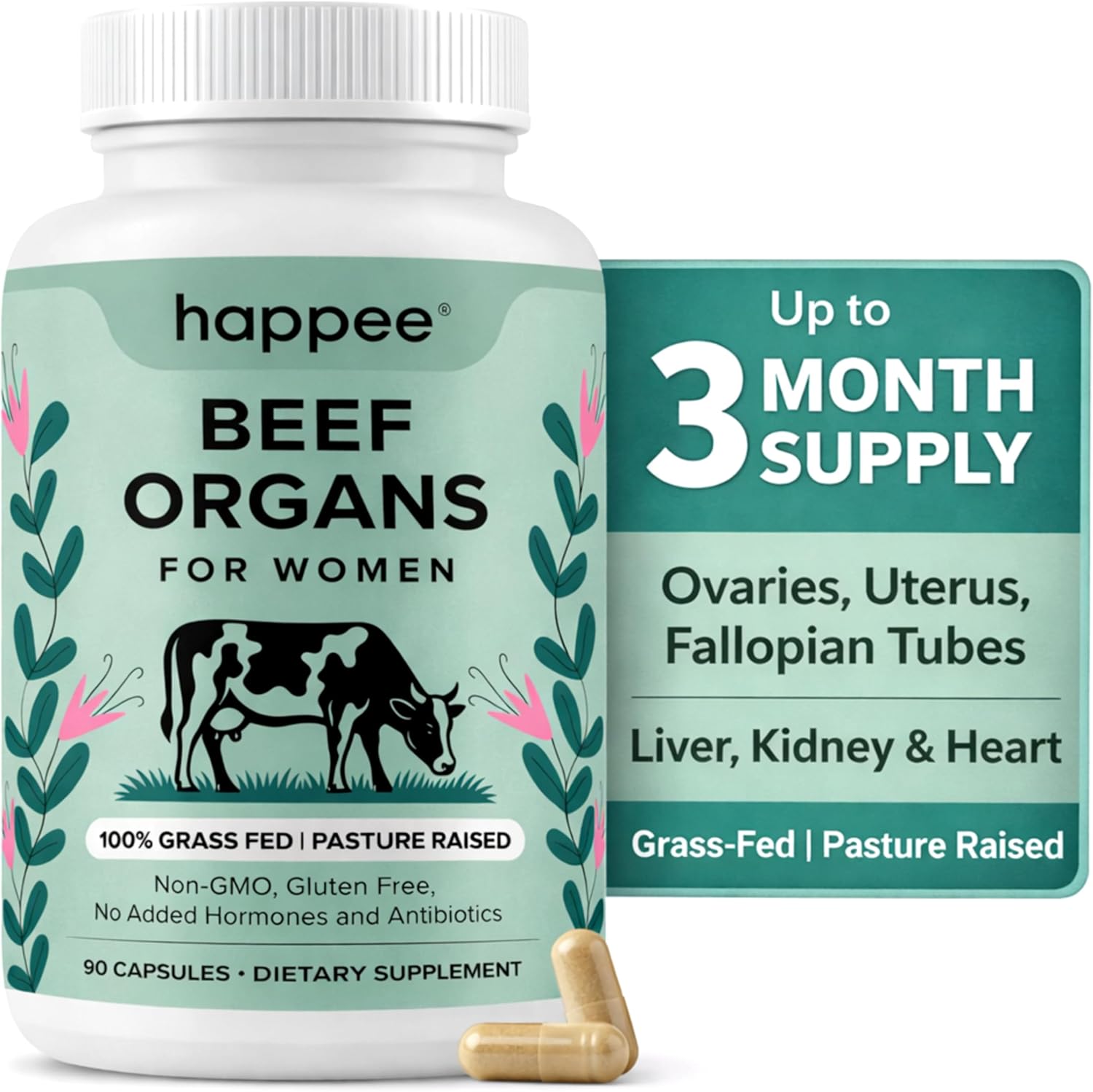
Happee Women's
7/10 · Liver + Spleen
Best Iron+Lactoferrin
Terraferrin
7/10 · Disclosed doses
§ 01Context
Why women need different organ nutrients
The case for organ supplements is stronger for premenopausal women than for any other demographic — because the micronutrient gap is larger and more specific.
Iron — the #1 gap
Iron deficiency is the most prevalent micronutrient deficiency globally, disproportionately affecting women of reproductive age. The female RDA is 18mg/day (vs 8mg for men). Heavy menstrual flow depletes iron stores faster than dietary replacement from typical Western diets. Heme iron from beef liver (~6mg/100g) and spleen (~42mg/100g) is absorbed at 15–35% — vs 3–8% for non-heme iron from plants or fortified foods.
Folate — for reproductive years
Beef liver provides approximately 290µg folate per 100g — roughly 73% of the RDA in a single 100g serving. Folate is critical for DNA synthesis, cell division, and — for those planning pregnancy — neural tube defect prevention. Food folate from liver is highly bioavailable compared to synthetic folic acid supplementation.
Selenium — thyroid connection
Women are 5–10x more likely than men to develop autoimmune thyroid disease (Hashimoto's thyroiditis). Selenium is an essential cofactor for iodothyronine deiodinases (T4 → T3 conversion) and thyroid peroxidase. Beef kidney provides 140–160µg selenium per 100g — the highest density of any organ meat.
Retinol — monitor during pregnancy
Beef liver is the most concentrated natural source of preformed vitamin A (retinol) — 16,899µg per 100g. Retinol is essential for reproductive health, immune function, and skin integrity. However, it is also teratogenic in excess. The tolerable upper limit is 3,000µg RAE/day, with more conservative recommendations during pregnancy. Supplemental liver use during pregnancy requires physician oversight.
§ 02Rankings
Our top picks for women
#1Ancestral Supplements Beef Liver
Best Overall for Women9/10
$1.50/serving
NZ grass-fed liver provides the highest retinol, B12, folate, and heme iron per serving of any single-organ product. Published heavy metal COA. Lot-specific traceability. The gold standard for women seeking a liver-first nutrient protocol. Retinol dose is disclosed, enabling safe monitoring.
Retinol 16,899µg/100gFolate 290µg/100gB12 59.3µg/100gHeme iron 6.2mg/100g
⚠ Pregnant women must consult OB/GYN — liver retinol exceeds first-trimester safe intake in large doses.
#2Heart & Soil Beef Organs
Best for Athletes & Verified Purity9/10
$1.83/serving
The only Informed Sport certified organ supplement — decisive for competitive female athletes. 5-organ nose-to-tail formula covers CoQ10 (energy), selenium (thyroid), and spleen iron alongside liver. Dr. Saladino also offers female-specific formulas including reproductive organ tissue for those interested in the ancestral approach. Premium but justified for verified-purity needs.
5 organs: liver, heart, kidney, spleen, pancreasInformed Sport certifiedUS Regenerative farm sourcingHeavy metal COA available
⚠ Proprietary blend — individual organ doses undisclosed. Retinol calculation requires physician guidance.
#3Left Coast Performance Beef Organs
Best Value for Iron + Broad Nutrition8/10
$0.39/serving
NZ sourced 5-organ blend at the lowest price of the credible products reviewed. For premenopausal women on a budget, the liver + spleen combination within the 5-organ formula provides excellent iron density. Popular with women following the carnivore diet. No female-specific marketing, but the nutritional profile is well-suited.
5 organs (NZ sourced)$0.39/servingBest price-to-quality ratioSpleen included for iron density
⚠ No heavy metal COA publicly available. Adequate for most users.
#4Happee Beef Organs for Women
Best Female-Specific Iron Focus7/10
$0.63/serving
The only product in this roundup specifically designed around female iron needs — the liver + spleen combination provides the highest heme iron density of any reviewed formula. NZ grass-fed sourcing. Explicit female-focused protocol. Held back by lack of third-party testing and no published heavy metal COA.
Liver + Spleen (iron-dense)Kidney (selenium, B2)NZ grass-fedFemale-specific protocol
⚠ No third-party testing. Proprietary blend — retinol incalculable. Not suitable during pregnancy without physician approval.
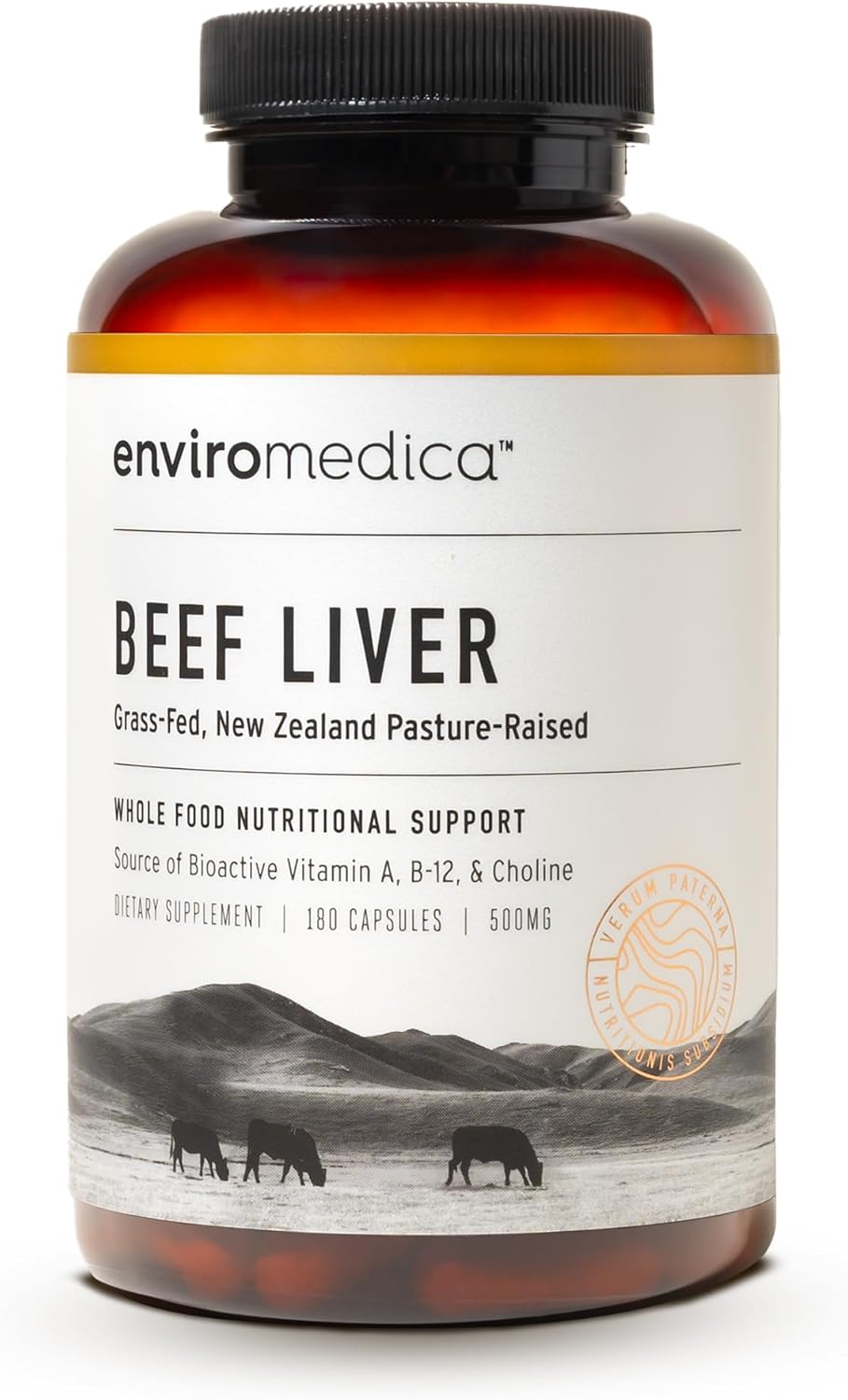
#5Enviromedica Terraferrin
Best for Targeted Iron Optimisation7/10
$1.10/serving
Unique lactoferrin + desiccated liver formula. Lactoferrin has clinical evidence for modestly improving iron absorption and immune modulation. Disclosed ingredient doses (not a proprietary blend). Argentine grass-fed sourcing with published COA. Best suited for iron-focused women who want the lactoferrin synergy or want to stack with a broader multi-organ supplement.
Lactoferrin + beef liverDisclosed doses (not proprietary)Argentine grass-fedCOA on website
⚠ Liver-only (no CoQ10/selenium). Expensive as a standalone at $1.10/serving.
§ 03Guide
How to choose for your specific needs
Goal
Premenopausal women with heavy periods
Recommendation
Prioritise liver + spleen iron density. Happee Women's (liver + spleen) or Left Coast Performance (5-organ including spleen) are the best budget options. For premium with testing, Heart & Soil.
Goal
Women planning pregnancy (pre-conception)
Recommendation
Ancestral Supplements Beef Liver — disclosed dosing allows retinol monitoring. Consult OB/GYN on specific retinol limit for your protocol. Do not use liver supplements in the first trimester without explicit physician guidance.
Goal
Female athletes in tested sports
Recommendation
Heart & Soil exclusively — the only Informed Sport certified organ supplement. The certification is batch-testable and covers 200+ WADA-banned substances.
Goal
Women with thyroid issues (Hashimoto's)
Recommendation
Any kidney-containing multi-organ product for selenium density: Left Coast Performance, Ancestral Supplements multi-organ, or Heart & Soil. Discuss supplemental selenium with your endocrinologist.
Goal
Women interested in iron optimisation (supplementing beyond diet)
Recommendation
Terraferrin — the lactoferrin + liver combination has the strongest clinical rationale for iron bioavailability support. Stack with a kidney-containing product for thyroid nutrients.
Q. What nutrients in beef organs are most important for women?
For premenopausal women, heme iron is the priority — the female RDA is 18mg/day vs 8mg for adult men, driven by menstrual blood loss. Beef liver and spleen are among the highest heme iron sources available. Folate (290µg/100g in liver) supports cell division and is critical for pregnancy planning. B12, copper, and selenium from organ meats support energy, thyroid function, and immune health. Retinol (vitamin A) from liver is highly bioavailable — important for adequate intake but requires monitoring during pregnancy.
Q. Can women with heavy periods benefit from organ supplements?
Yes — heme iron from beef liver and spleen is absorbed at 15–35%, significantly higher than non-heme iron from plant sources (3–8%). Women with heavy menstrual blood loss who are iron-deficient may benefit from consistent organ supplement use as a food-based iron strategy. This is nutritional support, not a medical treatment — clinical iron deficiency anemia should be confirmed with a ferritin blood test and managed under physician guidance.
Q. Is beef liver safe during pregnancy?
Beef liver is high in preformed vitamin A (retinol). Excess retinol during the first trimester is associated with teratogenic risk. The tolerable upper limit is 3,000µg RAE/day. A single 100g serving of beef liver contains up to 16,899µg retinol — well above the UL. Standard supplement doses (3–6 caps = ~3–6g of dried liver) provide far less, but the exact amount depends on concentration ratios. Pregnant women should not use liver supplements without explicit OB/GYN guidance. This is a hard rule, not a precautionary one.
Q. What is the best beef organ supplement for women with thyroid issues?
For thyroid support, selenium density is the key differentiator. Beef kidney provides 140–160µg selenium per 100g — the highest of any organ meat. Products containing beef kidney (Ancestral Supplements multi-organ, Heart & Soil Beef Organs, Left Coast Performance) provide selenium alongside T3/T4 cofactor support. Supplemental selenium specifically for thyroid conditions should be discussed with a physician, but dietary selenium from kidney-containing organ supplements is within safe ranges at standard doses.
Q. Do beef organ supplements help with fertility?
Organ supplements provide micronutrients with documented roles in reproductive health — folate (neural tube defect prevention), B12, zinc (ovarian function), iron (adequate blood oxygen for implantation), vitamin A (reproductive tissue maintenance). 'Like supports like' claims for bovine reproductive organ tissue are an ancestral health concept without clinical evidence. The micronutrient support case for fertility preparation is plausible; the organ-specific claims are not. Those actively trying to conceive should use a physician-supervised prenatal approach.
§ 05Related
More organ supplement guides