

Transparent Labs
Recomp
Choose this for full transparency.
Fully disclosed doses for every ingredient, third-party tested — forskolin, 5-HTP, and chromium at clinically relevant amounts.
$$ · ~$1.67/servingCheck price →
CITRUS BURN
Citrus Burn is a 7-ingredient fat burner sold exclusively through ClickBank. Every ingredient dose is hidden in a proprietary blend, no third-party certification exists, and the bold efficacy claims on the sales page have no cited studies. The individual ingredients — synephrine, cayenne, ginger, green tea, berberine, ginseng, and apple cider vinegar — have evidence at specific doses, but without knowing what is in the capsule, nothing can be assessed. The 180-day guarantee is generous. The product itself is not.
Our verdict
Citrus Burn is a 7-ingredient fat burner sold exclusively through ClickBank. Every ingredient dose is hidden in a proprietary blend, no third-party certification exists, and the bold efficacy claims on the sales page have no cited studies. The individual ingredients — synephrine, cayenne, ginger, green tea, berberine, ginseng, and apple cider vinegar — have evidence at specific doses, but without knowing what is in the capsule, nothing can be assessed. The 180-day guarantee is generous. The product itself is not.
Scored against the Fitlab Scoring Protocol — five weighted pillars totalling 100%.
Seven botanicals with individually plausible mechanisms — synephrine, cayenne, ginger, green tea, berberine, ginseng, apple cider vinegar. However, every single ingredient dose is hidden inside a proprietary blend. Without knowing how much synephrine, EGCG, or berberine you are getting, it is impossible to assess whether any active reaches a clinically meaningful threshold.
Zero individual ingredient doses are disclosed. The entire formula is a proprietary blend with no breakdown. The sales page names ingredients with dramatic origin stories but never states a milligram figure for any of them. This is the worst transparency score a product can earn while still listing ingredient names.
Claims 'FDA-registered facility' and 'GMP-certified.' FDA-registered means the facility is registered with FDA — not that FDA has approved or tested the product. No NSF, USP, Informed Sport, BSCG, or any independent third-party product-level certification. No published COAs.
At $49–$79 per bottle (30-day supply), Citrus Burn costs $1.63–$2.63 per serving. Transparent Labs Fat Burner (full dose disclosure, 3rd-party tested) costs ~$1.50/serving. Jacked Factory Burn XT costs ~$0.67/serving. You are paying a premium for a product that hides every ingredient dose and has no independent testing.
One capsule daily is convenient. Plant-based, soy-free, dairy-free, non-GMO claims are positive. 180-day money-back guarantee is generous and reduces purchase risk. However, the product is only sold through the official website (ClickBank) — no retail availability, no Amazon listing.
Citrus Burn is a one-capsule-daily fat burner aimed at people over 35 who struggle with stubborn body fat. Its core marketing premise is "thermogenic resistance" — the idea that your body's fat-burning slows with age and that this blend of seven botanicals reactivates it. The formula includes p-synephrine (Seville orange peel), apple cider vinegar, cayenne, ginger, green tea, berberine, and Korean red ginseng. These are real ingredients with real research behind them — at specific, known doses. None of those doses are on the Citrus Burn label.
A single capsule physically cannot contain clinical doses of berberine (900–1,500mg per day in Yin et al., 2008), green tea EGCG (400–500mg in Hursel & Westerterp-Plantenga, 2009), ginger (1,000–2,000mg in Mansour et al., 2012) and four other active ingredients simultaneously. Standard vegetable capsules hold 500–700mg total. The math does not work — something, likely most ingredients, is present at a fraction of effective levels.
P-synephrine from bitter orange is the headline thermogenic. Stohs et al. (2012) found that 50mg of p-synephrine increased resting metabolic rate by roughly 65 kcal/day — a real but modest effect. Cayenne pepper's capsaicin has slightly better acute data: Ludy and Mattes (2011) measured a transient ~50 kcal/day boost at 1mg capsaicin, approximately equivalent to half a fresh jalapeño. Green tea EGCG is the most-studied compound in the blend — Hursel's 2009 meta-analysis of 11 trials found catechins plus caffeine increased 24-hour energy expenditure by about 5%, translating to roughly 80–100 extra calories burned per day. All three effects are real, measurable, and individually small.
Berberine operates differently — it activates AMPK, a metabolic master switch, and a 2012 meta-analysis (Dong et al.) showed meaningful reductions in fasting glucose and HbA1c in diabetic patients taking 900–1,500mg daily. It is not primarily a fat burner, and its inclusion here appears more about ingredient-list length than synergy. Korean red ginseng has adaptogenic properties but weak direct evidence for fat loss. Reay et al. (2005) documented cognitive and mood benefits, not body composition changes. Apple cider vinegar in capsule form has almost no supporting data — the Kondo et al. (2009) trial that showed modest weight loss used liquid vinegar at 15ml daily, not encapsulated powder.
Thermogenic resistance is not a term found in PubMed, medical textbooks, or peer-reviewed endocrinology literature. A search across MEDLINE, Cochrane, and Google Scholar returns zero results. Age-related metabolic decline is well-documented — basal metabolic rate drops roughly 1–2% per decade after age 20, driven primarily by loss of lean muscle mass (Pontzer et al., 2021 in Science). But that is sarcopenia and hormonal change, not a "resistance" that can be overcome by a botanical capsule. The framing is pure marketing: take a real phenomenon, rename it something scientific-sounding, then sell the cure.
The Citrus Burn sales page claims the formula increases thermogenesis by 74%, reduces cravings by 54%, and boosts metabolism by 47%. These figures are presented with authority — decimal-point specificity implies clinical data. But there is no citation, no study link, no footnote, and no reference section anywhere on the page. We searched PubMed, Google Scholar, and ClinicalTrials.gov for any trial conducted on the "Citrus Burn" formula or any 7-ingredient blend matching this composition. Nothing exists. The numbers appear to be fabricated or extrapolated from unrelated single-ingredient studies at different doses.
This matters because specificity creates trust. When a consumer reads "74% increase in thermogenesis," they reasonably assume a study was conducted on this product. The FTC's guidance on health claims for dietary supplements (2022 update) explicitly warns that citing specific percentages without substantiation is a deceptive practice. We are not saying Citrus Burn has been cited by the FTC — we are saying the marketing pattern matches what the FTC describes as problematic.
Citrus Burn is sold exclusively through ClickBank, a digital marketplace primarily used for affiliate-marketed health and wellness products. A single bottle costs $49.99 (30-day supply), dropping to $39/bottle in the 3-bottle bundle and $33/bottle in the 6-bottle bundle. For comparison, Transparent Labs Recomp — a fully transparent, third-party tested fat burner with disclosed doses of forskolin, 5-HTP, and chromium — costs approximately $1.67 per serving. Jacked Factory Burn XT, with clinically dosed EGCG, caffeine, and acetyl L-carnitine, runs about $1.00 per serving. Even a standalone green tea extract capsule (the strongest single ingredient in Citrus Burn's formula) costs under $0.10 per serving from brands like Nature's Bounty.
The ClickBank distribution model itself is not inherently fraudulent — many legitimate digital products use it. But its prevalence among aggressively marketed supplements with high affiliate commissions (often 50–75% of sale price) should be noted. The high commission structure incentivises promotion volume over product quality, and the lack of retail presence means no independent retailer has vetted the product or its claims.
The individual ingredients are generally considered safe at standard doses, but two warrant caution. P-synephrine can increase blood pressure and heart rate — Stohs et al. (2012) noted that while p-synephrine alone has a better safety profile than ephedrine, combining it with caffeine (present here via green tea) amplifies cardiovascular stimulation. Berberine is a potent inhibitor of CYP3A4 and CYP2D6 liver enzymes, meaning it can significantly alter the blood levels of statins, blood thinners, diabetes medications, and certain antidepressants. Without knowing the dose of either ingredient, it is impossible to assess the actual risk profile. Anyone taking prescription medication should consult their physician before use — this is not a generic disclaimer, it is a specific concern based on berberine's known pharmacokinetics.
The 180-day money-back guarantee is the one area where Citrus Burn genuinely over-delivers relative to the market — most fat burners offer 30–60 days. That said, a generous refund window does not validate the product; it validates the business model. High-margin ClickBank supplements with long guarantees typically have refund rates already baked into their pricing, meaning you are paying for the guarantee whether you use it or not. If you do try Citrus Burn, set a calendar reminder at 150 days and honestly assess whether anything has changed. If not, exercise the guarantee — it is the most valuable feature the product offers.
What we liked
Worth noting
Transparent Labs
Choose this for full transparency.
Fully disclosed doses for every ingredient, third-party tested — forskolin, 5-HTP, and chromium at clinically relevant amounts.
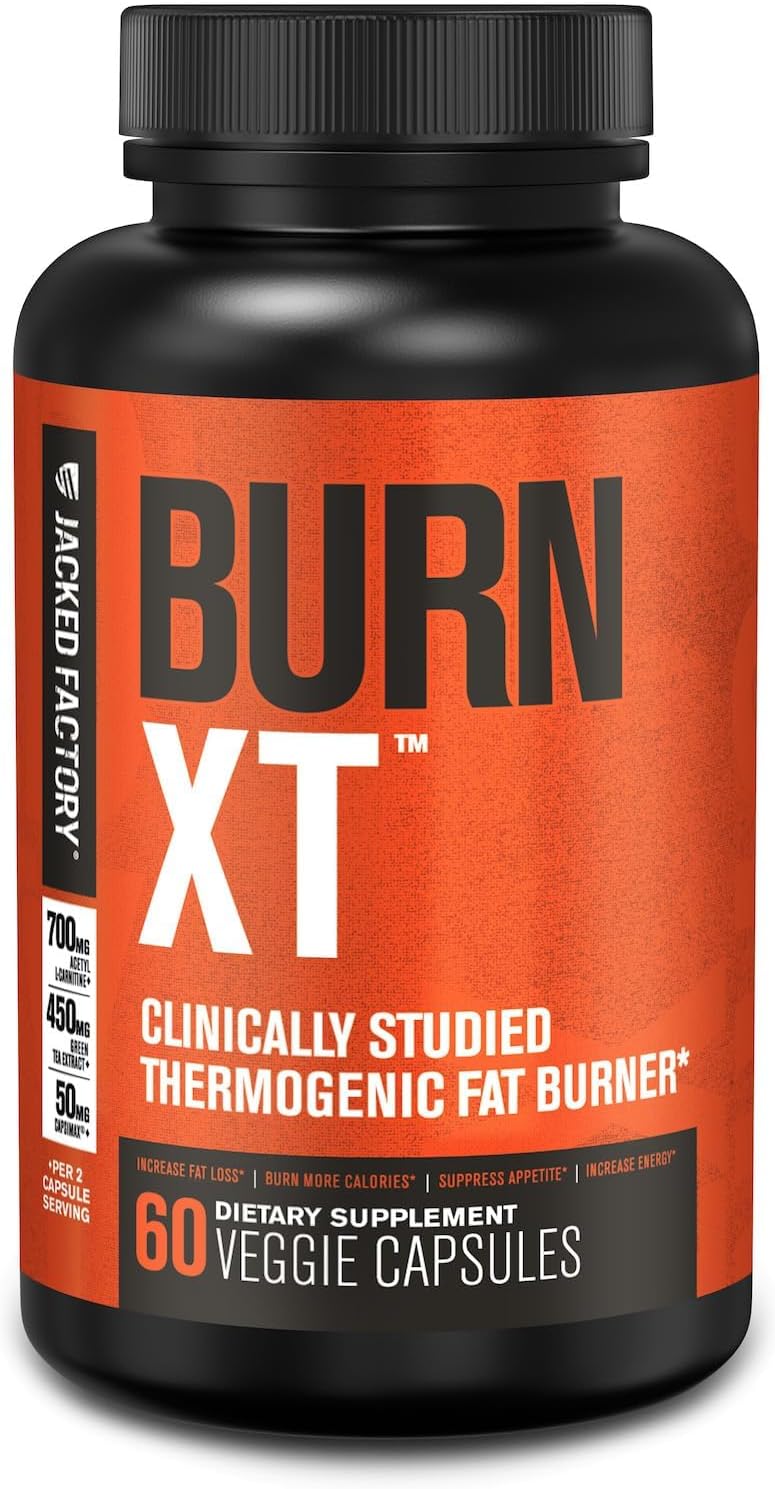
Jacked Factory
Choose this for clinically-dosed value.
Clinically dosed green tea (EGCG), caffeine, cayenne, and acetyl L-carnitine — every dose on the label, GMP-certified.
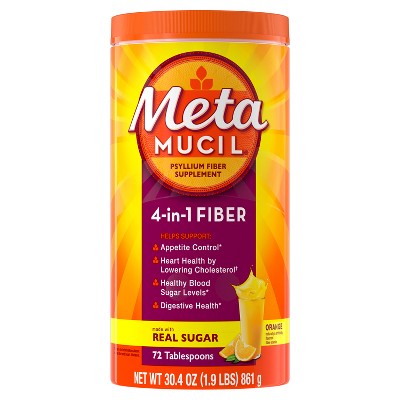
Metamucil
Choose this for appetite control.
Psyllium husk has strong RCT support for satiety and glycemic control via soluble fiber — at a fraction of the price.
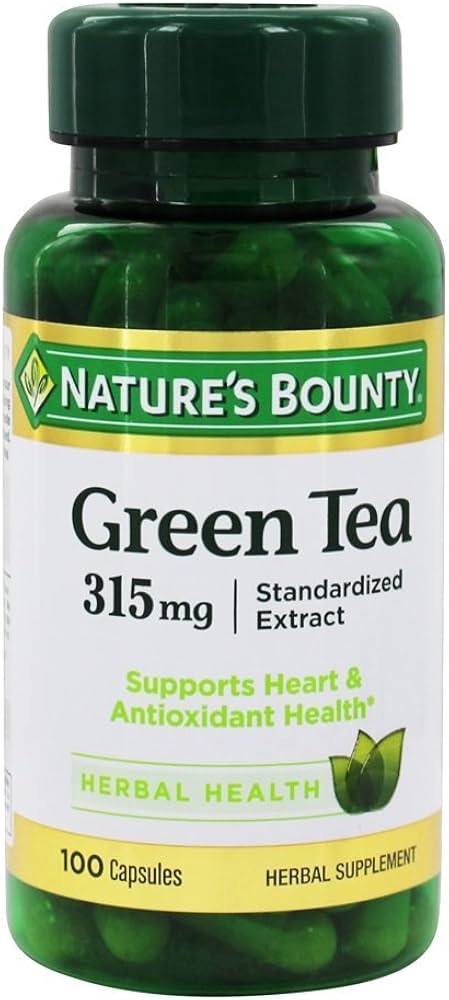
Nature's Bounty
Choose this for proven EGCG.
Pure green tea EGCG — the single most evidence-backed thermogenic in Citrus Burn's formula (Hurley 2014: +16% fat oxidation).
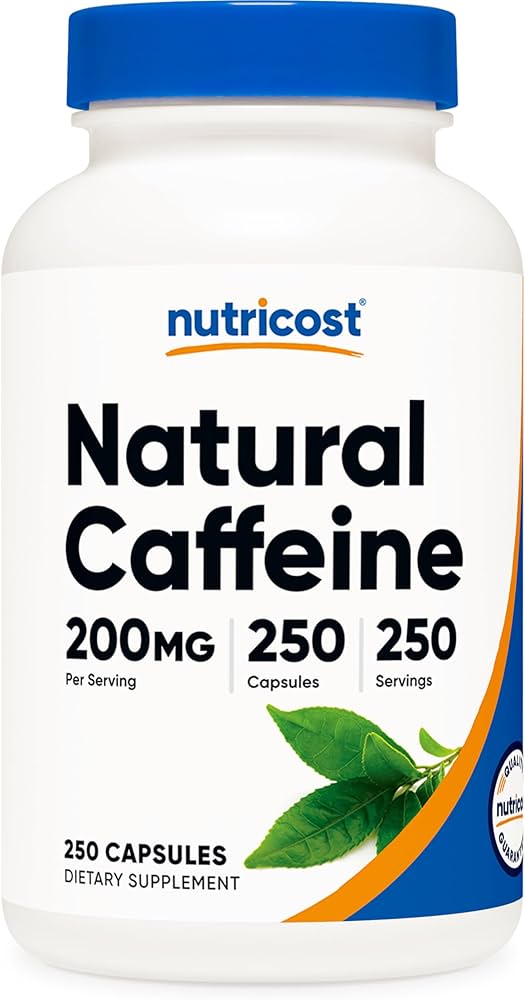
Nutricost
Choose this for the cheapest proven option.
Caffeine is the most-studied thermogenic on earth (Dulloo 1989) — a stronger evidence base than the whole blend at 1/50th the cost.
Citrus Burn is a 7-ingredient fat burner sold exclusively through ClickBank. Every ingredient dose is hidden in a proprietary blend, no third-party certification exists, and the bold efficacy claims on the sales page have no cited studies. The individual ingredients — synephrine, cayenne, ginger, green tea, berberine, ginseng, and apple cider vinegar — have evidence at specific doses, but without knowing what is in the capsule, nothing can be assessed. The 180-day guarantee is generous. The product itself is not.
LAST REVIEWED ON JUN 21, 2026
Fitlabreviews has strict sourcing guidelines and relies on peer-reviewed studies, academic research, and clinical evidence. Read our editorial policy →