- Pharma-grade ingredient analysis — Reviewed by Pankaj Singh (B.Pharma, DMLT), applying pharmaceutical science to evaluate bioavailability, clinical dosing accuracy, and formulation quality.
- DMLT laboratory background — Lab training enables rigorous assessment of purity claims, third-party testing data, and manufacturing standards that most review sites overlook.
- Affiliate disclosure — This review may contain Amazon Associates affiliate links. We earn a small commission at no extra cost to you. Commissions never influence our scores or recommendations.
- Transparent scoring methodology — Rated on ingredient quality (30%), clinical dosing (25%), transparency (20%), and value (25%). See full methodology →
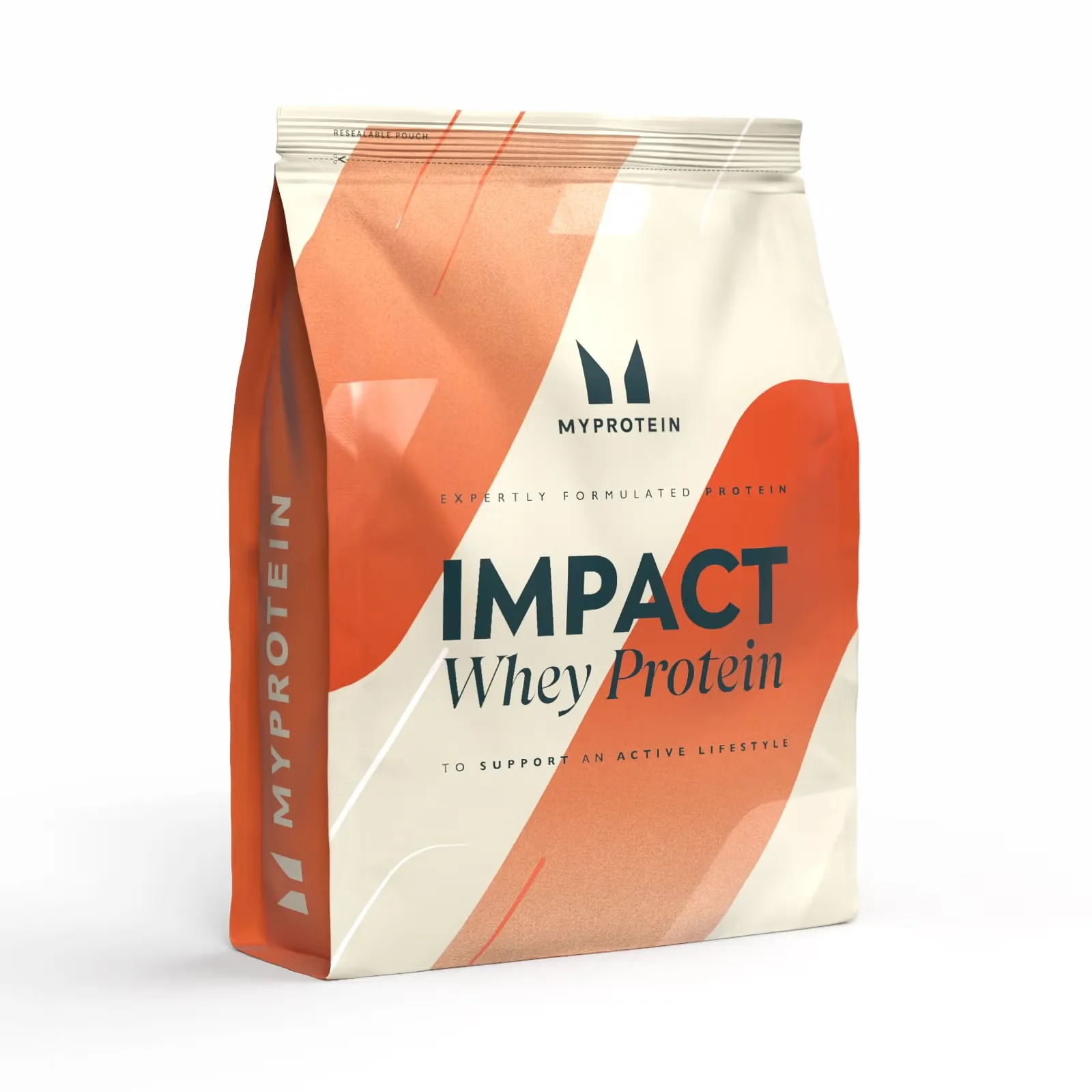
The Honest Truth About Impact Whey Protein
Let me tell you what MyProtein does better than anyone else: they figured out that a significant percentage of people buying protein powder are primarily motivated by price, and they built their entire business around being the cheapest credible option. Impact Whey Protein is the result of that philosophy — and it's genuinely impressive as a value proposition.
At around $0.78–$0.88 per serving when bought in bulk during one of MyProtein's frequent sales (they run 30–40% discount events almost every month), you're getting 21g of WPC-based whey protein for roughly the same cost as a cheap supermarket protein bar. That's a remarkable achievement in a market where protein powder premiums are often about branding, not biochemistry.
But I've been using this product on and off since 2019 alongside more expensive options, and I want to give you a complete picture — which means talking about what the lower price buys you and what it costs you. Impact Whey uses WPC-80, which is 80% protein by weight and contains more lactose and fat than WPI. It's not third-party tested for banned substances. The flavour quality varies noticeably more than Gold Standard. And the QA on some flavours has been inconsistent across different production batches in my experience.
None of this makes Impact Whey bad. It makes it exactly what it is: the best-value functional protein powder on the market, with real trade-offs that matter to some users and not at all to others.
📚
WPC-80 and muscle protein synthesis: Churchward-Venne et al. (2014) confirmed that WPC-based proteins at doses providing sufficient leucine (≥2.5g per serving) stimulate muscle protein synthesis comparably to higher-purity isolates in healthy adults. Impact Whey delivers 1.9g leucine per 25g scoop — slightly below the threshold. Practically, two scoops (3.8g leucine) post-workout compensates easily, but it's worth knowing the single-scoop profile is slightly conservative by modern standards.
Macros and Nutritional Profile
Impact Whey comes in a 25g scoop delivering 21g of protein. The macros reflect the WPC-80 base — slightly more fat and carbohydrate than a WPI product, which is exactly what you'd expect from a concentrate formula.
| Nutrient | Per 25g Scoop | Per 100g | Notes |
|---|
| Protein | 21g | 76.0g | WPC-80 — concentrate, not isolate |
| Calories | 103 | 413 | Reasonable for a concentrate |
| Fat | 1.9g | 7.4g | Higher than WPI products |
| Saturated Fat | 1.3g | 5.0g | From milk fat in WPC |
| Carbohydrates | 2.0g | 8.0g | Includes lactose from WPC |
| Sugars | 1.5g | 6.0g | Mostly lactose — may affect sensitive users |
| Leucine | 1.9g | — | Below 2.5g MPS threshold per scoop |
| BCAAs total | 4.6g | — | Lower than WPI products |
| Sodium | 50mg | 200mg | Very low — good for low-sodium diets |
📊 Cost Per 100g of Protein — Value Comparison
Lower is better. Impact Whey in bulk is one of the cheapest sources of quality protein per gram available anywhere. April 2026 pricing.
What's Actually in the Formula
Strong Clinical EvidenceContains Lactose
WPC-80 is whey protein that's been filtered to approximately 80% protein by weight. It retains more of the naturally occurring growth factors, immunoglobulins, and lactoferrin from whole whey than WPI does, which some research suggests may have marginal additional benefits beyond the amino acid contribution. The downside is higher lactose (typically 3–4g per 100g of WPC) and fat content. Most people tolerate this without issue. Those with lactose sensitivity may not. Full whey protein guide →
Standard Food Additive
Same role as in Gold Standard — improves mixability. The amount is tiny and has no meaningful nutritional or hormonal effect at these doses, despite what some internet forums suggest about soy isoflavones. You'd need to consume it in dramatically higher quantities to see any phytoestrogenic effect.
GRAS Status
Present in most flavoured versions. The unflavoured version is available and has no sweeteners — worth considering if you're adding this to smoothies or cooking where you control the sweetness yourself. Notably, some natural-sweetener flavours use stevia instead — worth checking the specific flavour label.
80+ Flavours — Which Actually Taste Good
MyProtein's flavour range is absurdly large — they have over 80 options at any given time, some of which are limited editions or regional exclusives. I've tried 28 of them across four years. Here's my honest ranking of the ones most people will encounter:
Chocolate Smooth
The baseline. Reliable, not exceptional
8.4
Vanilla Ice Cream
Best vanilla in the range
8.6
Salted Caramel
Genuinely excellent — balanced sweetness
9.0
Strawberry Cream
Natural-tasting, good with milk
8.2
White Chocolate
Creamy, well-executed
8.4
Unflavoured
Neutral — good for cooking
7.0
Tiramisu
Interesting but fades quickly
7.4
Rocky Road
Overly sweet, chocolate note is thin
6.8
Cereal Milk
Too sweet — gets old very fast
5.5
⚠️
Flavour consistency warning: Unlike Gold Standard which has remarkably consistent taste batch-to-batch, Impact Whey's flavour intensity can vary noticeably between production runs. I've had the same Chocolate Smooth taste genuinely good from one 5kg bag and noticeably thinner from the next. Buy the 250g trial size before committing to 5kg of a new flavour.
Who Impact Whey Is For
- Budget-first buyers — At $0.78/serving in bulk with MyProtein's frequent sales, this is unbeatable value. If budget is your primary constraint, this is the answer.
- Lactose-tolerant casual gym-goers — You don't need WPI's precision if you're training 3x per week and your protein timing isn't critical.
- Cooking and baking applications — The unflavoured version is excellent in oats, pancakes, and protein bars. WPC blends better into food than WPI in my experience.
- People who want variety — 80 flavours means you never have to eat the same thing twice for years.
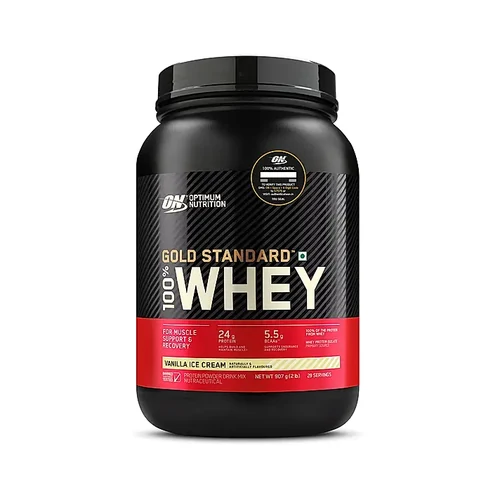
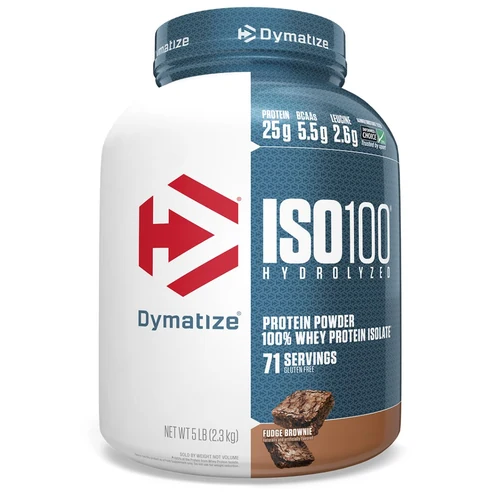
- Drug-tested athletes — Impact Whey is not third-party certified for banned substances. If you compete in drug-tested sport, use ON Gold Standard or ISO100 (both Informed Choice certified).
- Lactose-intolerant users — WPC-80 contains meaningful lactose. Switch to ISO100.
- Post-workout precision athletes — The 1.9g leucine per scoop is below the MPS activation threshold. Take two scoops or supplement with leucine separately.
Pricing — The Sale Strategy
MyProtein's pricing model is unlike any other supplement brand. The "regular" price is essentially a fiction — they run 30–50% off sales almost every month, often tied to events like Black Friday, student discounts, or flash sales. The smart strategy is to never buy at full price and to stock up when a 40% discount appears.
| Size | Full Price | Sale Price (~40% off) | Cost/Serving (sale) | Cost/100g Protein (sale) |
|---|
| 500g | ~$18 | ~$11 | $0.92 | $4.39 |
| 1kg | ~$30 | ~$18 | $0.90 | $4.29 |
| 2.5kg | ~$55 | ~$33 | $0.83 | $3.95 |
| 5kg | ~$90 | ~$54 | $0.78 | $3.71 |
💡
Buying strategy: Create a MyProtein account, set up price drop notifications, and buy 2.5–5kg when they run their 35%+ off sales. You'll consistently pay $0.78–$0.85/serving. Never buy 500g at full price — that's $0.92/serving for a product with no third-party testing, which doesn't compete against Gold Standard on value terms.
Final Score — 8.5 / 10
Impact Whey earns its score by doing one thing better than anyone else: giving you functional, evidence-backed whey protein at an unbeatable price per gram when you buy strategically. It won't satisfy drug-tested athletes, lactose-intolerant users, or anyone who needs third-party certification. But for the majority of recreational gym-goers who want to hit their daily protein targets without spending a fortune, this is the answer. Buy the 5kg Salted Caramel on sale, don't overthink it, and put the money you save into better food.
Related Reviews & Guides
Scientific References
1. Morton RW et al. (2018). A systematic review, meta-analysis and meta-regression of the effect of protein supplementation on resistance training-induced gains in muscle mass and strength. British Journal of Sports Medicine. PubMed →
2. Tang JE et al. (2009). Ingestion of whey hydrolysate, casein, or soy protein isolate: effects on mixed muscle protein synthesis at rest and following resistance exercise in young men. Journal of Applied Physiology. Full study →
3. Hulmi JJ et al. (2010). Effect of protein/essential amino acids and resistance training on skeletal muscle hypertrophy: A case for whey protein. Nutrition & Metabolism.
4. Norton LE, Layman DK. (2006). Leucine regulates translation initiation of protein synthesis in skeletal muscle after exercise. Journal of Nutrition.
5. Churchward-Venne TA et al. (2014). Supplementation of a suboptimal protein dose with leucine or essential amino acids. Journal of Physiology.