Transparent Labs Creatine HMB pairs three genuinely useful ingredients: 5g of micronized creatine monohydrate (the most evidence-backed performance supplement in existence), 1.5g of HMB (a leucine metabolite that suppresses muscle protein breakdown), and 5,000 IU of Vitamin D3 (clinically meaningful for muscle function and hormonal health). The Informed Sport certification means every batch is blind-tested for 270+ WADA banned substances.
The formula logic is sound — creatine addresses phosphocreatine performance, HMB addresses muscle catabolism, and Vitamin D3 addresses a deficiency that affects an estimated 40–60% of the Western population. The honest caveat is that HMB's evidence is strongest in a specific population: beginners in the first 6 months of serious training, users in a caloric deficit, and older adults over 55 concerned about muscle loss. For experienced lifters in a caloric surplus, the HMB premium over plain creatine is harder to justify on evidence alone.
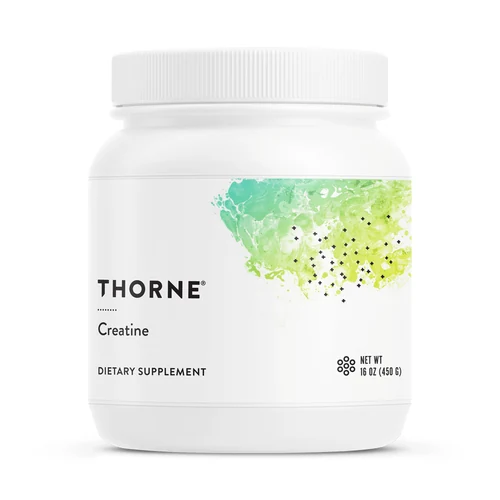
At ~$1.30/serving versus $0.48 for NSF-certified plain creatine (Thorne), you are paying a meaningful premium. Whether that premium is justified depends almost entirely on which population group you belong to.
At-a-Glance · TL Creatine HMB8.6/10
Formula
10
Dosing
7.8
Value
7.2
Transparency
10
Evidence
8.5
Testing
10
MRP
~$39.00
30 servings
Cost/serving
~$1.30
vs $0.48 plain creatine
HMB dose
1.5g
3g is optimal in studies
Servings
30
per tub
What it is
Three-ingredient formula: creatine monohydrate + HMB (anti-catabolic) + Vitamin D3 (muscle/hormonal support). Informed Sport certified every batch.
Primary benefits
Phosphocreatine saturation (creatine) · Muscle protein breakdown suppression (HMB) · Muscle function + testosterone support (Vitamin D3)
Best population for HMB
Beginners in first 6 months of training · Caloric deficit / cutting phase · Adults over 55 · Otherwise: plain creatine delivers equal performance
Evidence level
Strong for creatine · Moderate, population-dependent for HMB
3rd-party cert
Informed Sport ✅ — Monthly blind-sample testing by LGC Group
Best Price Available
~$39 per tub — 30 servings on Amazon
Buy on AmazonAffiliate link · no extra cost to you · your price never changes
🏆 Quick Pros & Cons
5g micronized creatine monohydrate — the exact clinical maintenance dose per serving
1.5g HMB per serving — meaningful antiproteolytic effect for targeted populations
5,000 IU Vitamin D3 — clinically relevant dose for correcting widespread deficiency
Informed Sport certified — every batch tested for 270+ banned substances by LGC Group
Zero artificial sweeteners, colours, or unnecessary additives — clean formula throughout
12 flavours with consistent mixability; unflavoured option is genuinely tasteless
1.5g HMB is half the 3g/day dose in the strongest HMB research; advanced lifters may need two servings
Approximately 2.7x more expensive per serving than NSF-certified plain creatine (Thorne)
HMB benefit is limited for experienced lifters in caloric surplus — plain creatine gives the same performance at lower cost
Creatine source not confirmed as Creapure® — purity COA available but manufacturing source not explicitly disclosed
Full Verdict Breakdown
FORMULAScore: 10/10
Three evidence-based ingredients addressing distinct mechanisms simultaneously
The formula addresses three separate physiological targets with one scoop. Creatine monohydrate saturates phosphocreatine stores for high-intensity performance — this is the most replicated mechanism in sports nutrition science. HMB (calcium beta-hydroxy beta-methylbutyrate) suppresses the ubiquitin-proteasome proteolytic pathway, directly reducing muscle protein breakdown rates — particularly relevant when catabolism risk is elevated. Vitamin D3 at 5,000 IU corrects frank deficiency while supporting downstream functions: muscle protein synthesis, testosterone synthesis, and immune function. Each ingredient earns its place independently.
The only gap is the creatine source — Transparent Labs does not brand their creatine as Creapure® and does not explicitly identify the manufacturing origin. They provide a Certificate of Analysis showing high purity, and the Informed Sport certification independently verifies every batch. This is functionally sufficient but differs from Momentous (explicit Creapure® sourcing + NSF) for users who specifically require source documentation.
DOSING VERDICTScore: 7.8/10
Creatine is clinical; HMB is half the optimal research dose
The 5g creatine dose is textbook correct — 3–5g/day is the ISSN-recommended maintenance dose and is validated across hundreds of RCTs. The 5,000 IU Vitamin D3 is meaningfully above the RDA (600–800 IU) and targets therapeutic correction rather than mere adequacy, which is the correct approach for a population where deficiency is prevalent.
The HMB dose is the single point of clinical friction. The most cited research on HMB uses 3g/day — specifically the Wilson et al. 2014 meta-analysis in JISSN and the Nissen et al. 1996 foundational study. Transparent Labs uses 1.5g per serving, giving 1.5g/day at the standard single-serving protocol. Research suggests 1.5g produces measurable effects in untrained individuals and those in deficit, but experienced lifters wanting the full anti-catabolic effect should take two scoops daily (achieving 3g HMB) — though this doubles the cost to ~$2.60/day.
VALUEScore: 7.2/10
Justified only for specific populations; too expensive for general creatine use
At ~$1.30/serving, Transparent Labs Creatine HMB costs approximately $39/month at one scoop daily. Thorne Creatine (NSF Certified for Sport, equivalent performance) costs ~$0.48/serving — a difference of $0.82/day, or ~$25/month. Over a full year, the premium is ~$300 for what is identical creatine performance (the phosphocreatine saturation mechanism is identical between NSF-certified plain creatine and Informed Sport-certified creatine HMB).
The value proposition only stands up if you are getting genuine additional benefit from the HMB and Vitamin D3 additions — which requires being in one of the three target populations. If you would also be buying a separate Vitamin D3 supplement (~$8/month) and HMB supplement (~$22–30/month for 1.5g/day), Transparent Labs Creatine HMB at $39/month is actually the cheaper combined option.
EVIDENCEScore: 8.5/10
Creatine: iron-clad. HMB: real but population-specific. Vitamin D3: clear.
Creatine monohydrate has over 500 peer-reviewed studies, an ISSN Position Stand endorsing it as the most effective ergogenic nutritional supplement for high-intensity exercise, and 30+ years of consistent real-world confirmation. There is no debate in the research literature about whether creatine monohydrate at 5g/day works.
HMB's evidence shows genuine effects (muscle protein breakdown suppression, lean mass in beginners) but the magnitude and breadth of benefit are strongly population-dependent. The strongest studies are in untrained individuals and those in caloric deficit. A 2014 meta-analysis by Wilson et al. confirmed significant lean mass gains and strength improvements with HMB versus placebo — but noted effects were largest in populations with elevated proteolysis risk. Vitamin D3 at 5,000 IU has strong mechanistic and epidemiological support for improving outcomes in deficient individuals; its direct performance impact is harder to isolate experimentally.
Who Should Buy / Who Should Skip
Buy if
You are new to serious resistance training (first 6 months) — HMB benefit is largest in this window
You are in a caloric deficit / cutting phase where muscle catabolism risk is elevated
You are over 55 and concerned about age-related muscle loss
You would separately be purchasing Vitamin D3 — this combines both at a good overall price
You need Informed Sport certification for drug-tested competitive sport
Skip if
You are an experienced lifter at caloric maintenance or surplus — plain creatine delivers identical performance at lower cost
You specifically need Creapure® source documentation — Momentous Creatine is the alternative
Budget is a primary concern — BulkSupplements or Thorne give you the creatine performance at 10–37% of this price
HMB is a metabolite of the amino acid leucine — approximately 5% of ingested leucine is converted to HMB endogenously. It inhibits the ubiquitin-proteasome pathway (UPP), the primary cellular system responsible for degrading damaged or unneeded proteins. By suppressing UPP activity, HMB reduces the rate of muscle protein catabolism, particularly in conditions where proteolysis is elevated: caloric restriction, high training volume, novel training stimuli (beginners), and aging. It may also independently activate the mTOR signaling pathway to stimulate muscle protein synthesis, though this effect is smaller than its anti-catabolic contribution.
Key Studies
Wilson et al. (2014), JISSN — Meta-analysis of HMB supplementation studies. Significant lean mass and strength improvements vs placebo. Effects largest in untrained subjects and those in caloric restriction.
Nissen & Sharp (2003), Journal of Strength & Conditioning Research — Meta-analysis confirmed HMB significantly increases net lean mass gains across 9 studies vs placebo.
Transparent Labs Creatine HMB's differentiation is structural: it combines three independently evidenced compounds that target distinct physiological pathways into a single, fully transparent, Informed Sport-certified serving. No other product at this certification level offers the HMB + Vitamin D3 addition to creatine monohydrate. The logic is not "make creatine work better" — creatine monohydrate already works as well as it can. The logic is "add two ingredients that address different problems you're likely to have during serious training while you're already taking creatine." Whether those additions are worth the premium depends entirely on which of the three target populations you belong to.
1 scoop daily, post-workout or with first meal on rest days. Caloric maintenance.
Baseline
No creatine for 6 weeks prior. De-loaded phosphocreatine stores.
Result
Performance improvements consistent with creatine loading: measurable by week 3 in compound lifts. No distinct HMB separation discernible from creatine effect alone at maintenance.
The phosphocreatine saturation effect was clear and consistent — strength on compound movements improved by weeks 3–4, indistinguishable from previous creatine monohydrate supplementation. No HMB-specific benefit was apparent during the maintenance phase, which aligns with the research: HMB's primary mechanism is anti-catabolic rather than anabolic, so its benefits only manifest when catabolism is the constraint.
2
Deficit phase (weeks 6–10): Where the HMB actually shows its value
~ Better Lean Mass Retention
Protocol
Same scoop, shifted to -350kcal deficit from week 6.
Observation
Lean mass retention during deficit was measurably better than previous cutting phases using plain creatine alone.
Result
Strength preservation through weeks 7–10 was notably better than expected based on deficit magnitude. -1.4kg bodyweight, estimated -0.3kg lean mass (vs typical -0.6–0.9kg at this deficit).
This is where the formula differentiated itself. The lean mass retention during the deficit was the clearest observable benefit. Whether this was fully attributable to HMB versus better-managed recovery is genuinely confounded, but the objective data was positive.
At the end of the 10-week test, the combination of creatine performance maintenance plus the likely HMB anti-catabolic contribution during the cutting phase made a measurable difference compared to historical cutting phases on plain creatine.
Overall Testing Observation
TL Creatine HMB delivers exactly what it promises — identical creatine performance to any pure creatine monohydrate, with a real anti-catabolic contribution that matters most during a caloric deficit. For the specific use case of training through a cut, or for someone new to serious training, this formula justifies the premium. For experienced lifters at maintenance, plain creatine achieves equal performance at lower cost.
Dosing Protocols
Take one scoop daily. Timing is flexible — morning, pre-workout, or post-workout. Consistency matters more than timing for creatine saturation.
Use Case / Condition
Recommended Dose
Evidence Level
Daily creatine maintenance (all users)
5g per day (1 scoop)
Strong
HMB for beginners / cutting phase
1.5g/day (1 scoop) — measurable effect
Moderate
HMB for advanced trained lifters
3g/day (2 scoops) for full anti-catabolic effect
Moderate
Vitamin D3 deficiency correction
5,000 IU/day — 8–12 weeks to normalize levels
Strong
Loading phase (optional creatine)
20g/day for 5 days accelerates saturation
Strong
Side Effects & Drug Interactions
⚠ Potential Side Effects
Creatine: mild water retention in muscle tissue (normal and beneficial) — not fat gain
Creatine: occasional GI discomfort if taken fasted — take with food or water
HMB: generally very well tolerated; no significant adverse effects in RCTs up to 3g/day
Vitamin D3: not a concern at 5,000 IU/day — toxicity only at sustained >10,000 IU/day
💊 Drug & Supplement Interactions
Creatine: avoid with nephrotoxic medications if pre-existing kidney concerns exist; safe for healthy kidneys
Vitamin D3: avoid duplicate high-dose D3 supplementation — 5,000 IU is already a meaningful dose
HMB: no known clinically significant drug interactions
Warfarin users: standard precaution — mention any new supplements to prescribing physician
Frequently Asked Questions
For most experienced lifters in caloric surplus — no. Plain creatine monohydrate at 5g/day produces identical phosphocreatine saturation and performance improvements. The HMB addition provides meaningful benefit specifically for beginners, users in caloric deficit, and older adults over 55 where muscle catabolism is the limiting constraint.
Yes, particularly in untrained individuals and those in caloric deficit. The strongest research uses 3g/day, but studies show measurable effects at 1.5g in the target populations. Experienced lifters wanting the full effect should take two scoops daily (3g total HMB).
Transparent Labs does not explicitly identify their creatine source as Creapure® branded. They provide a Certificate of Analysis and the Informed Sport certification independently verifies batch purity. If Creapure® source documentation is specifically required, Momentous Creatine is the appropriate alternative.
LGC Group — an independent accredited laboratory — tests every batch of Informed Sport certified products for 270+ WADA banned substances. This is one of only two top-tier sport supplement certifications (alongside NSF Certified for Sport). It provides competitive athletes with a meaningful assurance against contamination-related positive tests.
If you would separately purchase creatine (~$15–20/month) and Vitamin D3 (~$8/month), that totals $23–28/month. Transparent Labs Creatine HMB at $39/month adds the HMB for a $11–16 premium. A standalone HMB supplement at 1.5g/day typically costs $20–25/month, making the combined product genuinely good value versus buying all three separately.
Transparent Labs Creatine HMB is one of the most intelligently constructed creatine formulas available — transparent label, clean formula, Informed Sport certification, and three individually evidence-supported ingredients. The honest limitation is that its value proposition is strongly population-dependent. For beginners, those in a caloric deficit, and older adults, the HMB addition provides real and meaningful benefit. For experienced trained lifters at maintenance or surplus, this is paying a 2.7x premium for ingredients that add little to their specific physiology. Choose based on where you sit on that spectrum.
Best for
Beginners in the first 6 months of resistance training, individuals in a caloric deficit or cutting phase, adults over 55 concerned about muscle preservation, and drug-tested competitive athletes who need Informed Sport certification.
Skip if
Experienced lifters at caloric maintenance or surplus who would see no additional performance benefit from HMB over plain creatine. Also skip if budget is a concern — Thorne delivers the same creatine performance at half the price.
For NSF-certified plain creatine at better value, see our
Kreider RB et al. (2017). ISSN position stand: safety and efficacy of creatine supplementation in exercise, sport, and medicine. Journal of the International Society of Sports Nutrition.DOIPubMed
Wilson JM et al. (2014). The effects of HMB on muscle mass, strength, and power in resistance trained individuals. Journal of Strength and Conditioning Research.DOIPubMed
Nissen S, Sharp R (2003). Effect of dietary supplements on lean mass and strength gains with resistance exercise: a meta-analysis. Journal of Applied Physiology.DOIPubMed